Acidity becomes GERD when reflux happens more than twice a week or starts damaging the esophageal lining. Occasional heartburn after a heavy meal isn’t a disease on its own. But when acid keeps backing up, disturbs sleep, or triggers a chronic cough, that...
A gastroenterologist diagnoses and manages digestive conditions using medications and endoscopy, while a GI surgeon operates when the condition needs surgical correction. In practice, a surgical gastroenterologist someone trained in both disciplines handles the full...
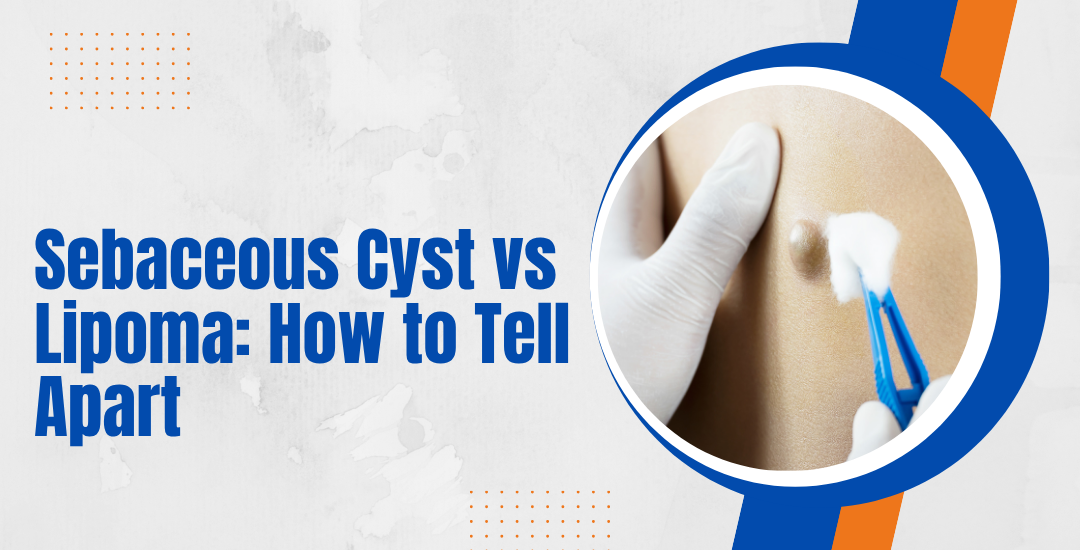
A sebaceous cyst sits just under the skin, feels firm, and often has a visible central punctum, while a lipoma sits deeper in the fat layer, feels soft and rubbery, and moves freely without any surface marking. Both are benign, but misidentifying them leads to the...
Blood in stool is most commonly caused by piles or an anal fissure, both of which produce bright red blood during or after a bowel movement. But dark or maroon-coloured blood, bleeding without pain, unexplained weight loss alongside bleeding, or rectal blood in anyone...
Acute anal fissures respond to conservative management including topical pharmacotherapy and dietary modification within six to eight weeks. Surgical intervention is indicated when a fissure is classified as chronic, defined by a duration exceeding six weeks with...
Appendicitis in adults often doesn’t present the way it does in textbooks. The early signs tend to be vague and easy to misread many adults chalk them up to a stomach bug, indigestion, or simple constipation. The classic pattern of pain starting near the navel...