
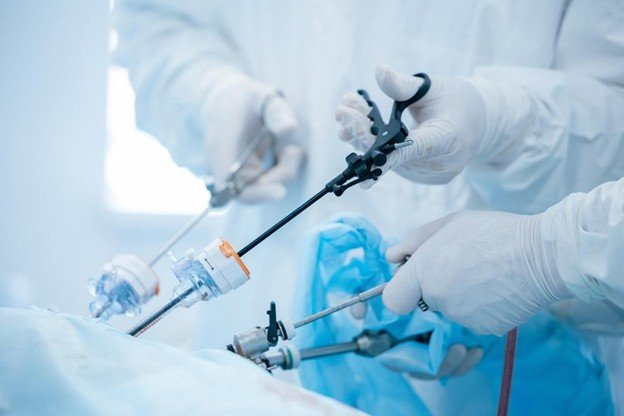
For many people, the question of how long they will be out of action is often one of the first when they are told they need abdominal surgery. Recovery today, with modern surgical techniques and specifically advanced minimally invasive surgery, stands in contrast to what has been considered ‘recovery’ in the past. With laparoscopic surgery, you will enjoy a faster recovery after the surgery because it involves small incisions that cause less surgical trauma, consequently allowing you to return to daily activities in a week or two, rather than the four to six weeks generally associated with open surgeries.
But what does it mean? At our clinic, we have seen that minimally invasive surgery may translate into less post-operative pain and easier post-operative recovery. And as one of the accomplished laparoscopic surgeons in Ghaziabad, we’re well aware that your option of surgical approach indeed shapes your road to recovery. The dissimilarities between laparoscopic vs open surgery recovery aren’t just in scar sizes; they influence infection risk, pain, hospital stay, and quick return to normal life.
This article digs into a number of reasons why advanced laparoscopic surgery brings about improved post-surgical outcomes. If you are thinking about gallbladder removal, hernia repair, or any other gastrointestinal procedure with a gastroenterologist in Ghaziabad, it is necessary to highlight these important benefits that allow you to reach a final decision. The concentration of Dr Shashank Agrawal lies in advanced techniques of laparoscopy, reducing surgical trauma and therefore promoting safe surgical recovery.
Smaller Incisions Mean Quicker Healing
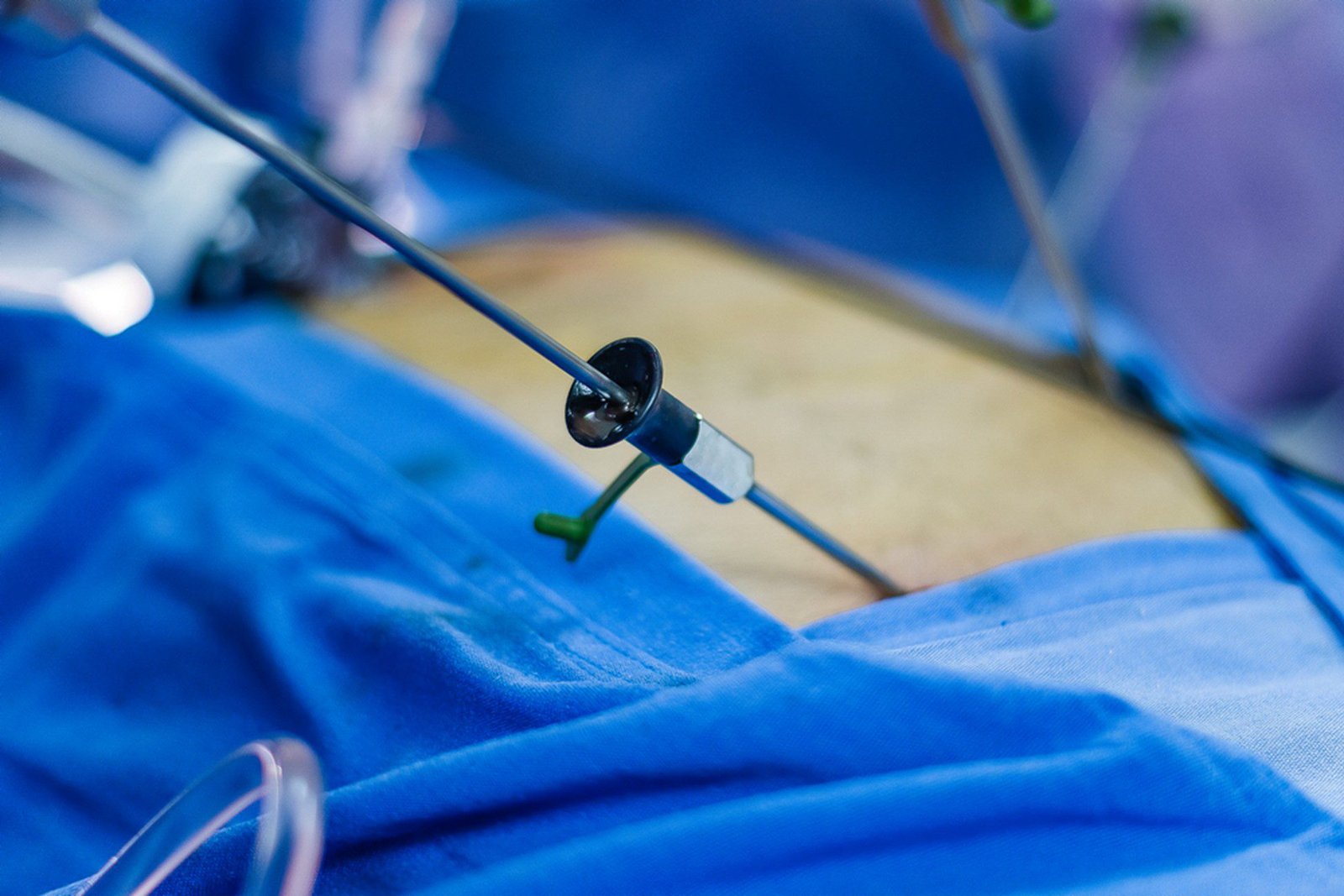
Advanced laparoscopic surgery uses small incisions, usually just 5-10mm, instead of the big cuts needed for open surgery. Through these tiny spots, we insert a laparoscope and special instruments to get the job done.
Smaller incisions make a huge difference. They disturb much less tissue, muscle, and blood vessels, so your body can heal faster with less effort.
Main benefits of healing associated with smaller incisions:
Reduced tissue damage & Inflammations
Less bleeding during the procedure
Reduced risk of complications following a wound
Scars are minimal compared to open surgery
Reduced Post-Operative Pain
Patients typically experience faster healing of wounds in keyhole surgery. Such small wounds require only a few stitches or even surgical glue compared to open surgery, which requires several layers of stitches.
Because of advanced minimally invasive surgery, we can work accurately while limiting the access points. This ensures that most of our patients return to their usual activities in no time—just days, not weeks. There is less risk of infection. There are fewer opportunities for bacteria to get inside the body with smaller incisions. This is an important reason why recovery time is shorter.
Less Tissue Damage Helps the Body Recover Faster
This is opposed to the tissue damage incurred by the use of conventional surgery. Be it a cholecystectomy procedure, appendectomy surgery, or a hernia fix, our team performs all our laparoscopic procedures with minimal incisions—5-10mm incisions as opposed to the need for larger incisions with conventional procedures
This is because the minimal access method shields other muscles and tissues. In the case of gallbladder removal, appendix removal, and laparoscopic hysterectomies, it results in lower inflammation and swelling in that area.
It becomes easier to heal our bodies if we don't end up injuring as much of it. Here are some procedures in which this strategy is highly effective:
- Hernia surgery (inguinal, umbilical, hiatal hernias)
- Bariatric procedures (sleeve gastrectomy, gastric bypass)
- Gynaecological operations (ovarian cyst removal, hysterectomy)
- Colorectal surgery for various bowel conditions
- Diagnostic laparoscopy
There will be less pain experienced after the surgery. Patients undergoing laparoscopic bariatric procedures or hernia repairs require fewer pain pills compared to those who have open surgery.
Protecting integrity also prevents adhesions in the abdomen, those pesky scar tissues that can cause future difficulties. Laparoscopic surgery allows you to prevent these adhesions, which is a plus.
Since the area of healing is smaller, your body is now better able to work on fast tissue regeneration. Whether it is weight loss surgery, gallbladder surgery, or appendectomy, the patient heals faster and has fewer complications of infection and hernias at the surgical sites for laparoscopic surgery.
Planning gallbladder, hernia, or appendix surgery? Get a laparoscopic surgery opinion and recovery plan.
Reduced Pain Allows Early Movement
Laparoscopy means smaller cuts are needed, which always translates into smaller amounts of pain endured post-op. Noticeably, in some cases where more advanced laparoscopy skills are used, less pain medication is needed within merely a few hours.
Important benefits of minimal pain are:
Early mobilisation, sometimes within 4-6 hours of surgery
Reducing dependencies on opioid-based pain medication
More effective breathing, fewer complications of the lungs
Quick return to normal activity
Since we resist deep cuts by muscle and nerves, people can move around rather easily. Getting started at a young age helps prevent blood clots and pneumonias, and even helps the healing process.
Most individuals can walk unassisted on the same day as their laparoscopic procedure. This early mobilization after surgery translates to a shorter hospital stay and quicker recovery. The minimal scarring also makes wound care easier, so daily activities are less of a hassle.
The less blood that is lost during laparoscopic procedures, the less swelling and inflammation you will experience, which allows you to get going sooner. The combination of less pain and fewer scars provides room for a fast return to daily activities and smooth post-surgical recovery.
Lower Risk Of Complications Speeds Up Recovery

Advanced laparoscopic surgery decreases the risk of complications compared with open procedures. Smaller cuts mean less surgical trauma, quicker healing of the wound, and fewer post-op problems.
Among the biggest positives: A reduced infection risk. With incisions only 0.5 to 1.5 cm, there’s hardly any exposure to outside bacteria. Open surgery, with its larger wounds, leaves you way more vulnerable to infection during and after the operation.
We also see reduced blood loss in laparoscopic operations. Precision tools and better visibility let us work more accurately, so we avoid damaging blood vessels. That means fewer transfusions and fewer complications.
Main complexities eliminated in laparoscopic surgery:
Surgical site infections
Excessive bleeding
Wound dehiscence (separation)
Post-operative hernias
Adhesion formation
The lower risk of infection makes healing a whole lot easier. You don’t spend as much time with wound maintenance and taking antibiotics, and you spend more of it actually healing. Additionally, there will be no complications, which implies that there is a smaller chance of going to the hospital again. Complications from open surgery procedures tend to prolong your stay or may result in interventions. With laparoscopic surgery, it is expected that most patients will not develop such complications, as they will get back to normal life within a week or two.
Ready for a faster recovery with advanced laparoscopic surgery? Book a consultation today.
Faster Return To Normal Daily Activities

One of the biggest perks of advanced minimally invasive surgery is how fast people get back to their usual routines. Honestly, most folks are up and doing light activities in just 3-5 days after laparoscopic procedures. Compare that to traditional open surgery, where you’re often looking at 4-6 weeks before feeling ready for normal tasks. That’s a huge difference in recovery time.
Since laparoscopic surgery uses tiny incisions, there’s less surgical trauma and way less pain after surgery. That means you can move around with less discomfort—no more wincing every time you shift in bed or get up from a chair. Modern surgical techniques like these really do make for a smoother post-surgery recovery.
Recovering at home simply feels better, and it plays a big role in faster recovery after laparoscopic surgery and quicker wound healing. Many patients feel confident returning to daily life sooner after minimally invasive surgery because there is less pain, smaller dressings, and minimal disruption to abdominal muscles, making simple movements like bending or lifting much easier. Early mobilization after surgery supports a faster return to daily activities, and when the procedure is performed by an experienced laparoscopic surgeon, patients often remain independent sooner, need less support from caregivers, and experience safe surgical recovery with improved post-surgery outcomes.
Frequently Asked Questions
Why is recovery faster after advanced laparoscopic surgery?
It uses smaller incisions and causes less tissue damage, allowing the body to heal more quickly.
Is pain less after advanced laparoscopic surgery compared to open surgery?
Yes, patients usually experience less pain, which helps them move early and recover faster.
How soon can normal activities be resumed after advanced laparoscopic surgery?
Most patients return to light daily activities much earlier than after open surgery, often within days.
Does advanced laparoscopic surgery reduce hospital stay?
In most cases, yes. Faster healing and fewer complications often mean a shorter hospital stay.
Is faster recovery with advanced laparoscopic surgery safe?
Yes, when performed by an experienced surgeon, faster recovery is predictable and medically safe.