
Gall Bladder Cancer Treatment in Ghaziabad
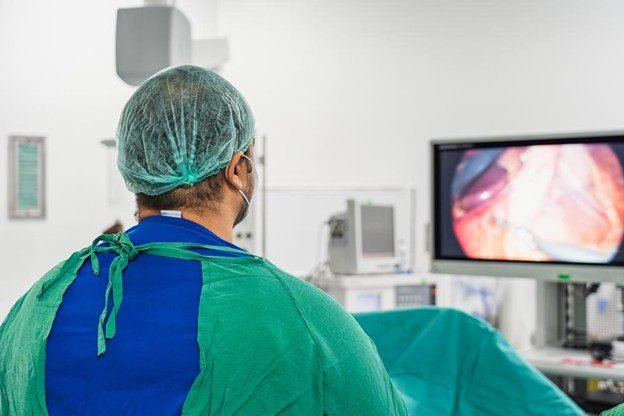
Gall bladder cancer is among the most commonly diagnosed biliary tract cancers in India, and North India, including Uttar Pradesh and the Delhi NCR region, reports some of the highest incidence rates in the world. Despite this, it remains one of the most under-detected cancers because its early stages produce little to no symptoms. By the time most patients seek medical attention, the disease has often progressed beyond its initial stage.
Early detection, accurate staging, and specialist-led surgical care are the three pillars that determine how well a patient responds to treatment. If you or a family member has received a diagnosis or is experiencing concerning symptoms, consulting an experienced gastroenterologist and GI surgeon in Ghaziabad at the earliest gives you the strongest possible foundation for recovery.
Dr. Shashank Agrawal, as an experienced Gastroenterologist in Ghaziabad, states,
“Gall bladder cancer is often detected late because the symptoms are subtle and easy to overlook. When we catch it early, the outcomes are significantly better. A structured diagnostic and surgical approach makes all the difference in how far we can take the patient toward recovery.”
Let’s start by understanding who is most at risk and why.
Risk Factors and Causes of Gall Bladder Cancer
Understanding what increases the risk of gall bladder cancer is important, both for patients who have already been diagnosed and for those who want to act preventively.
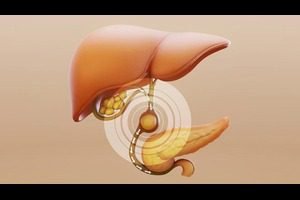
Gallstones (Cholelithiasis)
Long-standing, untreated gall stones are the single most significant risk factor for gall bladder cancer in India. Chronic inflammation caused by gall stones over years can trigger cellular changes in the gall bladder wall that eventually become cancerous. Patients with large gall stones above 3 cm carry a particularly elevated risk.
Porcelain gall bladder
This is a condition where calcium deposits form on the gall bladder wall, often as a result of chronic inflammation. It has been associated with an increased risk of cancer in certain patients.
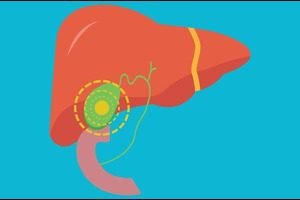
Gall bladder polyps
Polyps larger than 1 cm are considered potentially pre-malignant and are typically recommended for surgical removal as a precaution.
Chronic infections
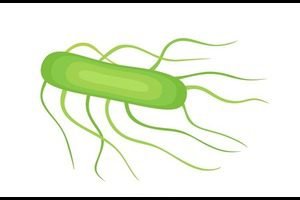
Long-term infection with typhoid-associated Salmonella typhi has been linked to gall bladder cancer, particularly in regions like North India where typhoid remains prevalent.
Family history and genetics: A family history of gall bladder cancer or biliary tract disease increases personal risk, suggesting a genetic component to susceptibility.

Gender and age
Gall bladder cancer is more commonly diagnosed in women and in patients above the age of 50, though it can occur at any age.
Now let’s understand how to recognise this condition before it progresses.
Symptoms of Gall Bladder Cancer You Should Not Ignore
One of the most dangerous aspects of gall bladder cancer is how quietly it develops. Many patients attribute their symptoms to acidity, gas, or common digestive discomfort, which is why it is so often caught late.
Persistent upper right abdominal pain
A dull, constant ache or recurring pain in the upper right side of the abdomen is one of the most common presenting symptoms and should always be investigated if it does not resolve.
Jaundice
Yellowing of the skin and eyes occurs when the cancer blocks the bile duct, preventing bile from flowing normally. This is often a sign that the disease has progressed.
Unexplained weight loss
Significant weight loss without a dietary change is a red flag across all GI cancers, including gall bladder cancer and stomach cancer.
Nausea and vomiting
Persistent nausea, particularly after meals, combined with other symptoms on this list, warrants prompt evaluation.
Abdominal bloating and fullness
A feeling of pressure or a lump in the upper abdomen can indicate an enlarged gall bladder or spread of the tumour to adjacent structures.
Loss of appetite
A progressive disinterest in food, particularly when accompanied by weight loss, should not be dismissed as stress-related.
Dr. Shashank Agrawal notes,
“Patients often come to me after months of managing these symptoms with antacids or home remedies. By the time imaging is done, the cancer has advanced. The message I want every patient in Ghaziabad to hear is simple. If your abdominal symptoms are recurring and not responding to routine treatment, get investigated. Do not wait.”
Noticing these symptoms in yourself or a loved one? Do not delay. Consult Dr. Shashank Agrawal in Ghaziabad for an expert evaluation today.
Diagnosed or suspect something is wrong? Here is what the evaluation process looks like.
Diagnosis and Staging of Gall Bladder Cancer
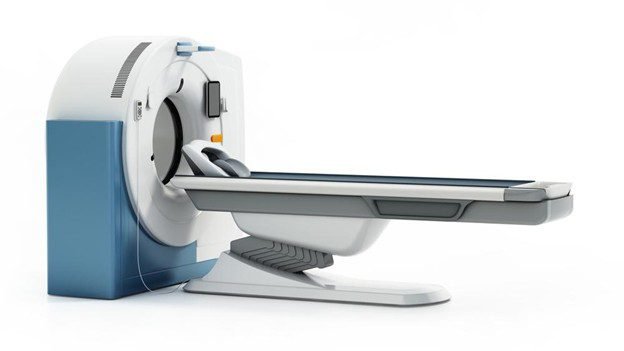
Accurate diagnosis and staging form the foundation of an effective treatment plan. The following investigations are typically used:
Ultrasound abdomen
This is usually the first imaging investigation and can identify gall bladder wall thickening, masses, or polyps.
CT scan and MRI/MRCP
These provide detailed information about the extent of the tumour, its involvement with the liver, bile ducts, blood vessels, and lymph nodes, and help determine surgical resectability.
PET scan
Used in selected cases to identify whether the cancer has spread to distant organs or lymph nodes beyond the local region.
Biopsy
A tissue sample may be obtained to confirm the diagnosis and determine the cancer type and grade, which directly influences the treatment plan.
Staging
Gall bladder cancer is staged from Stage I to Stage IV. Stage I is confined to the inner gall bladder lining. Stage II involves the muscle wall. Stage III has spread to surrounding organs or nearby lymph nodes. Stage IV indicates distant spread. The stage at diagnosis is the single most important determinant of treatment approach and prognosis.
Now let’s look at the treatment options available to you.
Treatment Options for Gall Bladder Cancer
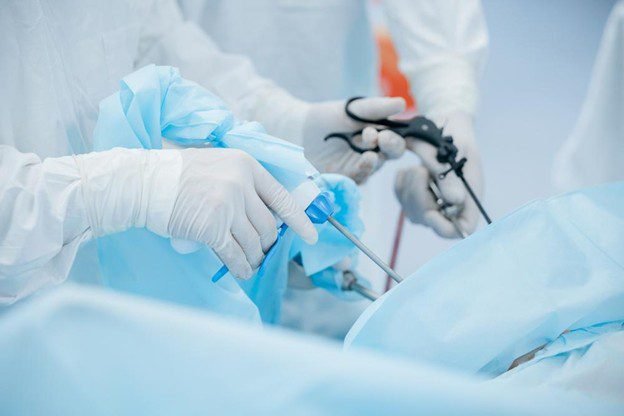
Treatment for gall bladder cancer is determined by the stage of the disease, the patient’s overall health, and the extent of local spread.
Simple Cholecystectomy
For very early-stage cancer confined to the inner lining of the gall bladder, removal of the gall bladder alone may be curative. This can often be performed laparoscopically with a short recovery time.
Bile Duct Resection
If the cancer has involved the common bile duct, partial resection and reconstruction of the duct may be necessary to restore normal bile drainage.
Palliative Procedures
In advanced cases where complete surgical removal is not possible, procedures such as biliary stenting or bypass surgery are performed to relieve jaundice and improve quality of life
Extended Radical Cholecystectomy
When cancer has spread beyond the gall bladder wall, a more extensive surgery is required involving removal of the gall bladder, a portion of the liver, and surrounding lymph nodes to ensure complete tumour clearance.
Chemotherapy
Used after surgery to reduce recurrence risk or as the primary treatment in inoperable advanced cases. Common regimens include gemcitabine-based combinations.
Radiation Therapy
Used alongside chemotherapy in cases where surgical margins are not clear or the cancer has spread to adjacent structures.
Targeted Therapy and Immunotherapy
In advanced or metastatic disease, targeted agents and immunotherapy are increasingly used based on the molecular and genetic profile of the tumour.
Let’s now walk through how treatment is delivered from the first appointment to full recovery.
Our Approach to Gall Bladder Cancer Treatment in Ghaziabad
Initial Consultation and Diagnosis
A thorough clinical evaluation combined with imaging, blood tests, and biopsy where indicated forms the starting point. The goal is to stage the cancer accurately and plan the most effective treatment before a single intervention is made.
Personalised Treatment Planning
Every patient’s cancer is different. Dr. Shashank Agrawal builds a treatment plan around the specific stage, tumour characteristics, patient age, and overall health, avoiding a one-size-fits-all approach that can compromise outcomes.
Surgical Intervention
From a laparoscopic simple cholecystectomy for early-stage disease to a complex open extended resection for advanced presentations, every surgical decision is guided by the principle of achieving complete tumour clearance with maximum preservation of healthy tissue.
Postoperative Care and Recovery
Recovery is monitored closely with attention to liver function, bile drainage, wound healing, and nutritional status. Adjuvant chemotherapy or radiation is initiated at the right point in recovery where indicated.
Long-Term Follow-Up
Regular imaging, tumour marker monitoring, and clinical reviews form the backbone of post-treatment care. Early detection of recurrence dramatically improves the ability to intervene effectively.
Ready to take the next step in your treatment journey? Book a consultation with Dr. Shashank Agrawal and receive a personalised gall bladder cancer care plan today.
Concerned about costs? Here is what to expect.
What is the Cost of Gall Bladder Cancer Treatment in Ghaziabad?
Key Factors Affecting Treatment Cost:
Stage and extent of the cancer
Length of hospital stay
Surgeon's expertise and experience
Need for additional therapies like targeted therapy or immunotherapy
Type of treatment required (surgery, chemotherapy, radiation therapy)
Surgical approach (laparoscopic vs open surgery)
Choice of hospital (private vs government)
Post-operative care and follow-up needs
The typical cost of treating gall bladder cancer may comprise charges for the surgeon, hospital, anaesthesia, diagnostic tests, and general medical expenses, with surgery as the primary form of treatment and additional therapies added based on individual needs. In Ghaziabad, gall bladder cancer treatment costs generally range from ₹2,50,000 to ₹7,00,000 in private hospitals, depending on the stage of cancer and the type of surgery performed, while government hospitals may offer treatment at a significantly lower cost. Expenses can increase if extended liver resection, bile duct reconstruction, longer hospital stay, complications, chemotherapy, or radiation therapy are required. The final treatment cost varies from patient to patient based on their condition, stage at diagnosis, age, and overall health, making a personalised consultation essential for an accurate estimate.
Why Choose Dr. Shashank Agrawal for Gall Bladder Cancer Treatment in Ghaziabad?

Specialised hepatobiliary and GI surgical expertise
Dr. Agrawal holds an MS in General Surgery and a DNB in Surgical Gastroenterology, with dual fellowships in advanced colorectal and hernia surgery. His training spans the full spectrum of GI and biliary cancer surgery.
Minimally invasive surgical approach
Where clinically appropriate, Dr. Agrawal performs laparoscopic procedures that reduce hospital stay, postoperative pain, and recovery time for patients undergoing gall bladder cancer surgery.
Multidisciplinary cancer care
Gall bladder cancer requires coordination between surgery, medical oncology, and radiology. Dr. Agrawal’s practice at Max Super Specialty Hospital, Patparganj and Healic Multispeciality Clinic, Indirapuram places patients within a full multidisciplinary care environment.
Transparent, patient-first approach
Every diagnosis, treatment option, and cost implication is explained clearly to patients and their families before any decision is made.
Success Rates and Results
Outcomes in gall bladder cancer treatment depend primarily on the stage at diagnosis. Stage I and Stage II cancers treated with surgery have significantly higher rates of long-term survival and disease-free outcomes. Advanced-stage cases treated with a combination of surgery, chemotherapy, and targeted therapy show meaningful improvement in quality of life and overall survival compared to untreated or poorly managed cases.
With advances in minimally invasive surgery, improved staging tools, and personalised oncological planning, the prognosis for gall bladder cancer patients managed by an experienced specialist has improved steadily over the last decade.
What Our Patients Say


This doctor is amazing doctor
I prepared to consult the doctor
Thank you for this doctor..
Done by Dr. Shashank Agrawal
This doctor is very good doctor
Thank you Doctor...
Frequently Asked Questions
What are the early warning signs of gall bladder cancer?
Persistent upper right abdominal pain, jaundice, unexplained weight loss, nausea, and loss of appetite are the most commonly reported early signs. However, early-stage disease often has no symptoms at all, making routine evaluation important for high-risk individuals.
Is gall bladder cancer more common in North India?
Yes. India, particularly North and East India including Uttar Pradesh, Bihar, and Delhi NCR, reports some of the highest incidence rates of gall bladder cancer globally. Gall stones, which are highly prevalent in this region, are the primary contributing risk factor.
Can gall bladder cancer be completely cured?
When detected at Stage I or Stage II and treated with surgery, gall bladder cancer can be completely cured. Advanced stages require multimodal treatment and while a complete cure may not always be achievable, significant improvement in survival and quality of life is possible with expert care.
What is the connection between gall stones and gall bladder cancer?
Long-standing, untreated gall stones cause chronic inflammation of the gall bladder wall, which over time can lead to cellular changes that progress to cancer. This is why patients with gall stones, particularly large ones, should not delay evaluation and treatment.
How long is recovery after gall bladder cancer surgery?
A laparoscopic simple cholecystectomy typically allows patients to return to normal activity within 1 to 2 weeks. Extended open surgery involving liver resection requires a hospital stay of 5 to 10 days and several weeks of monitored recovery at home.