
Acute and chronic pancreatitis treatment in Ghaziabad
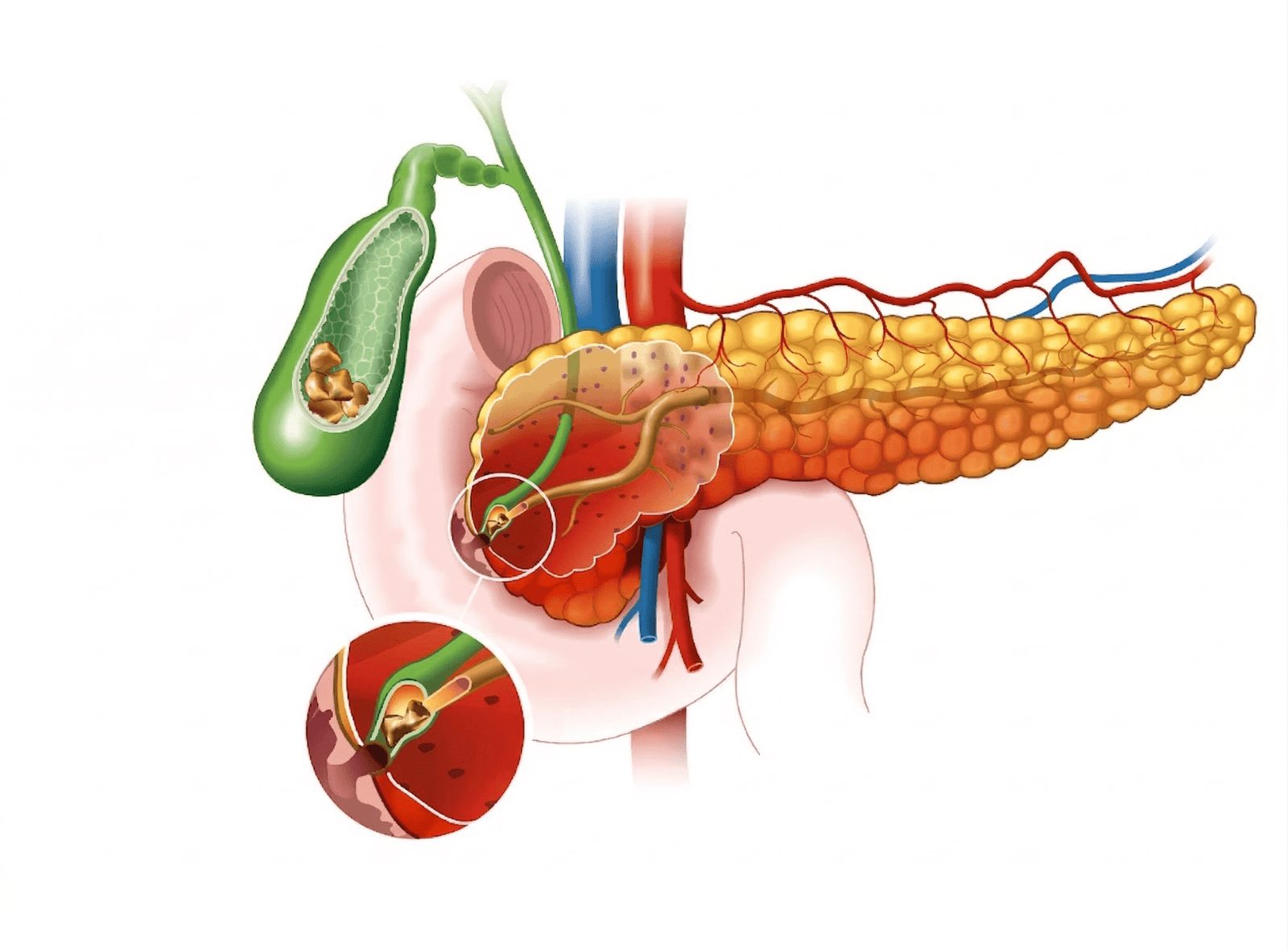
Most people have never given their pancreas a second thought. It sits quietly behind the stomach, doing its job — until one day, the pain hits. And when pancreatitis strikes, it is hard to ignore.
Whether it came on suddenly after a heavy meal or has been a dull, recurring ache for months, pancreatitis deserves proper attention. Not home remedies. Not waiting it out. A real evaluation by someone who knows what they are looking at.
Dr. Shashank Agrawal, GI Surgeon and Gastroenterologist in Ghaziabad, puts it simply:
“Patients who come in early do significantly better. The ones who wait — sometimes for months — are the ones who end up with complications that could have been avoided. Pancreatitis is very treatable. But timing matters.”
Let’s start by understanding who is most at risk and why.
What Is Pancreatitis and Why Should You Not Ignore It?
Your pancreas does two things. It makes digestive enzymes that break down food. And it produces insulin to keep your blood sugar in check. When it gets inflamed, both of these functions take a hit.
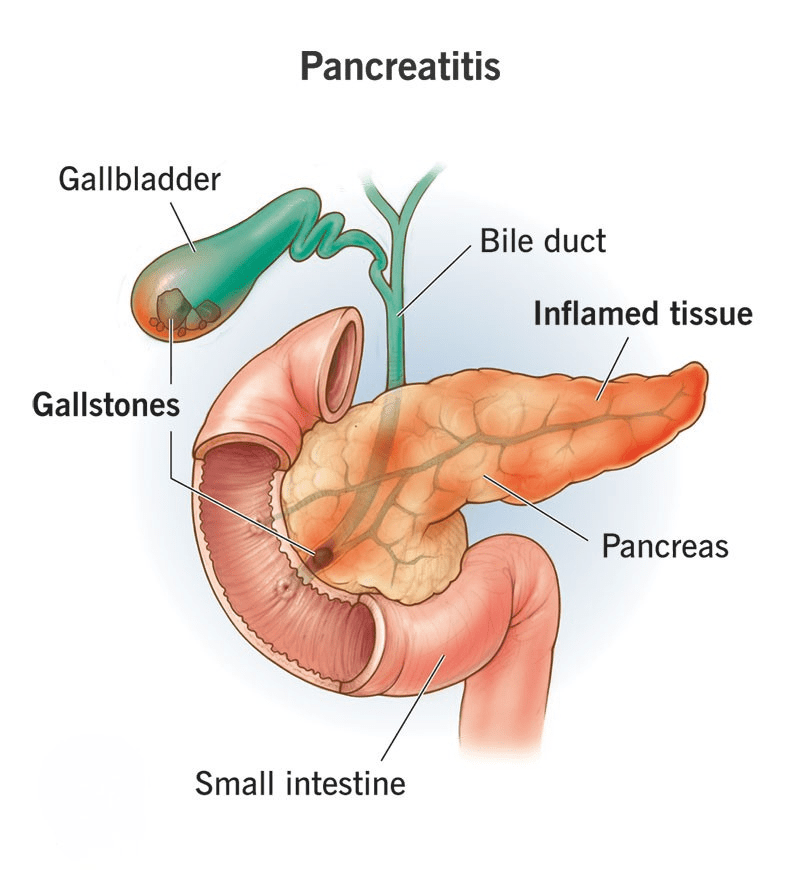
The inflammation happens when digestive enzymes activate too early, inside the pancreas itself, and start damaging the surrounding tissue. That is what causes the pain, the swelling, and in serious cases, the complications that follow.
Now let’s understand how to recognise this condition before it progresses.
Here is why skipping treatment is a bad idea:
Acute pancreatitis, if severe, can progress to organ failure
Repeated flare-ups slowly destroy pancreatic tissue permanently
Chronic pancreatitis raises the long-term risk of pancreatic cancer
Diabetes and malnutrition are common outcomes when the condition goes unmanaged
Pain in the upper abdomen that shoots toward the back, especially after eating — that is a red flag worth taking seriously.
Recurring abdominal pain that just will not go away? Get it checked before it becomes something more serious.
About Dr. Shashank Agrawal and His Expertise in Pancreatitis

Not every gastroenterologist handles complex pancreatic cases. It requires specific training and hands-on experience that goes beyond general GI care.
Dr. Shashank Agrawal brings over a decade of focused experience in surgical gastroenterology. His qualifications include:
- MBBS, MS in General Surgery, DNB in Surgical Gastroenterology
- Dual Fellowships in Advanced Hernia Surgery and Advanced Colorectal Surgery (FALS)
- Trained in both laparoscopic and robotic surgical techniques
He sees patients at Max Super Specialty Hospital in Patparganj, Healic Multispecialty Clinic in Indirapuram, and at Atlanta Mediworld Multispeciality Hospital in Ghaziabad. People come from across Ghaziabad, Vaishali, Vasundhara, and nearby areas specifically because of how he handles complex cases — methodically, honestly, and without unnecessary procedures.
Acute Pancreatitis vs Chronic Pancreatitis – What Is the Difference?
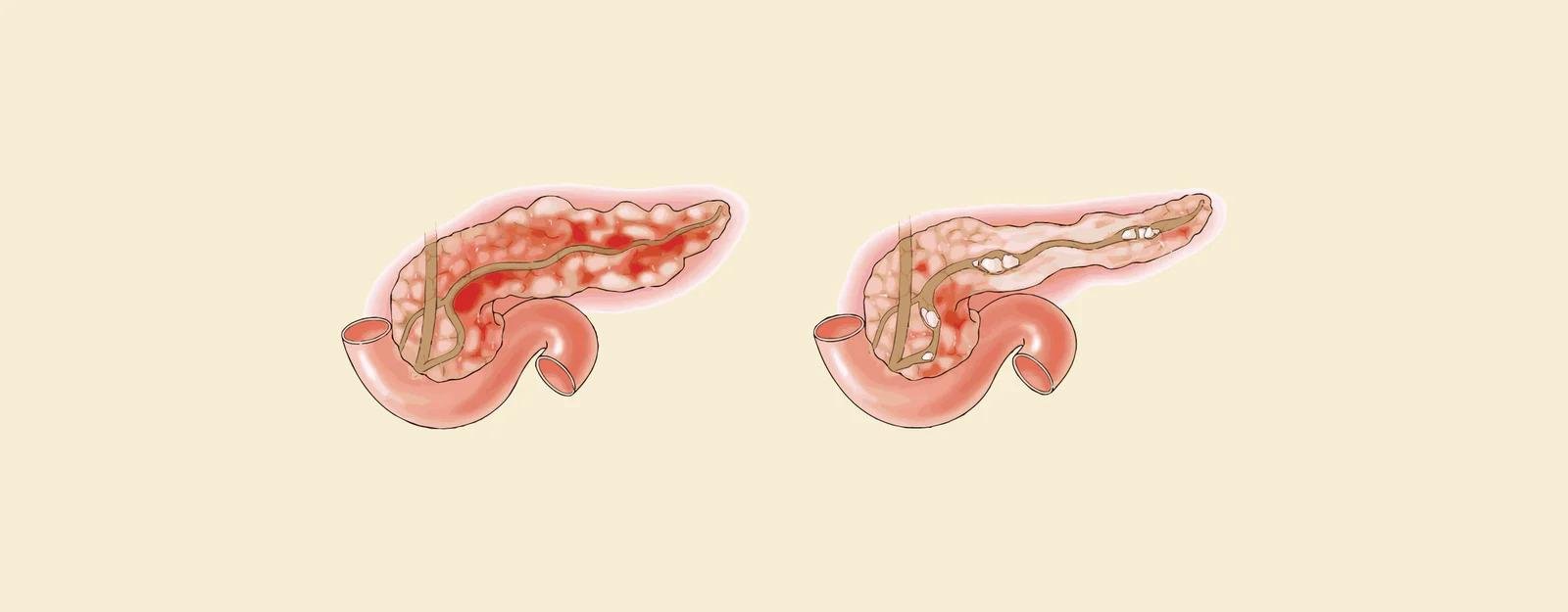
They share a name. But they are quite different in how they behave and how they are treated.
Acute pancreatitis
comes on fast. The pain is usually sudden and severe. It often follows a heavy meal, a night of drinking, or a gallstone that has moved into the wrong place. Most people with acute pancreatitis recover fully — but some cases turn serious, quickly.
Chronic pancreatitis
is a different story. It builds slowly, often over years. By the time someone gets diagnosed, the pancreas has already taken significant damage. The pain becomes a constant companion. Digestion suffers. Blood sugar becomes difficult to control.
|
Acute |
Chronic |
|
|
Onset |
Sudden |
Gradual |
|
Duration |
Days to weeks |
Months to years |
|
Pain type |
Severe, short bursts |
Persistent, recurring |
|
Organ damage |
Often reversible |
Largely permanent |
|
Diabetes risk |
Low |
High |
One thing both types have in common — the sooner they are caught, the better the outcome.
Not sure which type you are dealing with? A proper evaluation will give you answers. Book a consultation with Dr. Shashank Agrawal.
What Causes Pancreatitis? Common Triggers You Should Know
There is always a reason the pancreas gets inflamed. Finding that reason is half the battle.
Causes of acute pancreatitis:
- Gallstones blocking the bile or pancreatic duct — the most common trigger in India
- Heavy alcohol consumption, even a single binge episode
- Very high triglyceride levels in the blood
- Certain medicines that irritate the pancreas
- Abdominal injury or trauma
- Complications following an ERCP procedure
Causes of chronic pancreatitis:
- Long-term, heavy alcohol use
- Repeated acute attacks that were not properly treated
- Genetic or hereditary factors
- Autoimmune conditions targeting the pancreas
- Narrowing or blockages in the pancreatic duct
In Ghaziabad, gallstones and alcohol are the two most common triggers seen in clinical practice. Both are manageable when identified early. The problem is that many patients dismiss the early warning signs as acidity or gas and delay seeking proper care, by which point the condition has already progressed.
Ready to take the next step in your treatment journey? Book a consultation with Dr. Shashank Agrawal and receive a personalised gall bladder cancer care plan today.
Symptoms of Pancreatitis – When to See a Doctor
Pain is almost always the first signal. But pancreatitis comes with other warning signs that are easy to overlook or mistake for something less serious.
Watch for these symptoms:
- Upper abdominal pain that travels to the back
- Pain that gets noticeably worse after eating, especially oily or fatty food
- Nausea and vomiting that does not settle on its own
- A bloated or tender stomach
- Fever and a fast heartbeat in acute cases
- Gradual, unexplained weight loss
- Stools that are greasy, pale, or have an unusually foul smell
- Blood sugar going up without an obvious reason
Go to a doctor immediately if:
- The abdominal pain is sudden and feels unbearable
- You have a high fever along with the pain
- Your skin or eyes look yellowish
- Vomiting is continuous and you cannot hold anything down
- The same symptoms keep returning every few weeks
These signs are your body asking for help. Please do not ignore them. Book a consultation with Dr. Shashank Agrawal.
What Treatment Options Are Available for You?
There is no single treatment for pancreatitis. What works depends entirely on the type, the severity, and what is causing it in the first place.
For Acute Pancreatitis:
Rest and IV fluids
The pancreas needs to stop working temporarily. Patients are usually kept on fasting with IV fluids and pain relief in hospital.
Treating the cause
If gallstones triggered it, they need to go. That usually means an ERCP procedure or laparoscopic gallbladder removal depending on the situation.
Nutritional support
In severe cases, a feeding tube or IV nutrition keeps the body going while the pancreas recovers.
Surgery
Reserved for complications. Infected necrosis, abscesses, or pseudocysts that are not resolving on their own will need surgical intervention.
For Chronic Pancreatitis:
Pain control
Medications, nerve blocks, or endoscopic procedures depending on how severe the pain is.
Enzyme supplements
When the pancreas can no longer produce enough digestive enzymes, oral supplements help restore normal digestion and prevent malnutrition.
Diabetes management
Insulin therapy when blood sugar regulation becomes a problem.
Endoscopic or surgical drainage
For blocked ducts or persistent pseudocysts, procedures like ERCP, stenting, or surgical drainage provide lasting relief.
Pancreatic surgery
In advanced cases where nothing else is working, procedures like the Frey procedure or Whipple surgery are considered carefully.
Our Approach to Pancreatitis Treatment in Ghaziabad
Every patient who walks in with pancreatitis goes through the same careful process. Nothing is skipped. Nothing is assumed.
Step 1
Full history and consultation Symptoms, diet, alcohol history, past episodes, existing conditions. All of it matters.
Step 2
The right investigations Blood tests for amylase and lipase, ultrasound, CT scan, or MRI MRCP depending on what the clinical picture suggests.
Step 3
Clear explanation of findings Every result is explained in plain language. No jargon. No confusion. Patients leave knowing exactly what they are dealing with.
Step 4
A treatment plan built for you Medical, endoscopic, or surgical — the right path is chosen based on type, severity, and the underlying cause.
Step 5
Follow-up that actually means something Recovery is tracked. Complications are caught early. Lifestyle guidance is given to reduce the risk of future flare-ups.
How Much Does Pancreatitis Treatment Cost in Ghaziabad?
There is no fixed number because every case is genuinely different. What someone with mild acute pancreatitis needs is very different from someone managing advanced chronic pancreatitis with ductal complications.
Factors that influence the overall cost:
- Whether it is acute or chronic
- Medical management versus endoscopic procedure versus surgery
- Diagnostic tests needed — blood work, CT scan, MRI MRCP
- Duration of hospital stay
- Post-treatment follow-up visits and enzyme supplements
Health insurance often covers a significant portion of the treatment cost, particularly when hospitalisation or surgery is involved. Checking your policy beforehand is always a good idea.
For a realistic estimate based on your specific condition, a consultation is the best starting point. Costs are discussed openly before any procedure is planned.
Success Rates and Results
The outcomes for pancreatitis, when treated at the right time, are genuinely encouraging.
Mild to moderate acute pancreatitis resolves fully in the majority of cases with proper medical care. Even severe acute pancreatitis, when managed promptly, shows far better outcomes than most patients expect.
Chronic pancreatitis is a longer journey. The damage that has already happened cannot be undone. But pain can be brought under control. Digestion can be restored with enzyme therapy. Progression can be significantly slowed. Many patients go from barely managing daily life to functioning well with the right treatment plan in place.
Patients under Dr. Shashank Agrawal's care regularly experience:
- Meaningful reduction in pain frequency and intensity
- Better digestion and improved nutrition levels
- Stabilised blood sugar readings
- Smooth recoveries following surgical procedures
- Clear guidance on diet and lifestyle to prevent future attacks
What Our Patients Say


This doctor is amazing doctor
I prepared to consult the doctor
Thank you for this doctor..
Done by Dr. Shashank Agrawal
This doctor is very good doctor
Thank you Doctor...
Frequently Asked Questions
Can pancreatitis be cured completely?
Acute pancreatitis can resolve fully in most patients with proper treatment. Chronic pancreatitis cannot be reversed, but it can be managed well enough that most patients live a comfortable, functional life.
Is alcohol always the cause of pancreatitis?
No. Gallstones are actually the leading cause in India. High triglycerides, certain medications, and genetic conditions are also common triggers.
How long does recovery from acute pancreatitis take?
Mild cases typically recover within a week with rest, fasting, and IV fluids. Severe cases involving complications can take several weeks and require extended hospital care.
What should I eat if I have pancreatitis?
Low-fat, easy-to-digest foods work best. Small, frequent meals are better than large ones. Alcohol must be completely avoided. Fatty, fried, and spicy food should be kept to a minimum.
Will I always need surgery for pancreatitis?
Not at all. The majority of acute pancreatitis cases are managed without surgery. Surgery is only considered when specific complications arise — like infected necrosis, pseudocysts, or blocked ducts that are not responding to other treatments.
Will I always need surgery for pancreatitis?
Not at all. The majority of acute pancreatitis cases are managed without surgery. Surgery is only considered when specific complications arise — like infected necrosis, pseudocysts, or blocked ducts that are not responding to other treatments.
Does chronic pancreatitis increase cancer risk?
Yes, long-standing chronic pancreatitis does carry a higher risk of pancreatic cancer over time. Regular follow-up with your specialist matters even when symptoms are under control.