

Pancreatic Cancer & HPB Surgery in Ghaziabad
The pancreas is a vital organ responsible for digestion and regulating blood sugar levels. Pancreatic cancer is amongst the most complicated gastrointestinal cancers. There are several thousand new patients each year diagnosed with pancreatic cancer in various parts of the world, including India. As symptoms usually remain undetectable in the initial phases, it becomes necessary to have timely diagnosis, accurate staging, and an appropriate treatment plan.
The treatment of pancreatic cancer demands specialised evaluation as well as a well-conceived treatment plan according to the type, stage, and general health condition of the patient. Dr. Shashank Agrawal, a Consultant Surgical Gastroenterologist and Hepatobiliary & Pancreatic Surgeon in Ghaziabad, believes that every case needs individual assessment before deciding on surgery or other treatment options. He focuses on precise diagnosis, advanced surgical planning, and personalised care to support better recovery.
Dr. Shashank Agrawal has great experience in treating complex gastrointestinal, liver, biliary, and pancreatic conditions. As an experienced specialist in Pancreatic Cancer & HPB Surgery in Ghaziabad, he provides advanced surgical care, including procedures such as pancreatic resections and Whipple surgery etc.
So what does a pancreatic surgeon actually deal with? Let’s explore the common pancreatic problems that require specialised care.
What Does a Pancreatic Surgeon Treat?
A pancreatic surgeon specialises in diagnosing and treating conditions affecting the pancreas, including cancerous and non-cancerous growths. Since the pancreas is located near important blood vessels and digestive organs, these procedures require advanced surgical expertise.
Conditions a pancreatic surgeon may treat include:
Pancreatic tumors and cysts
Pancreatic cancer
Neuroendocrine tumors
Chronic pancreatitis
Blockages in the pancreatic or bile ducts
Complex cases needing pancreatic surgery
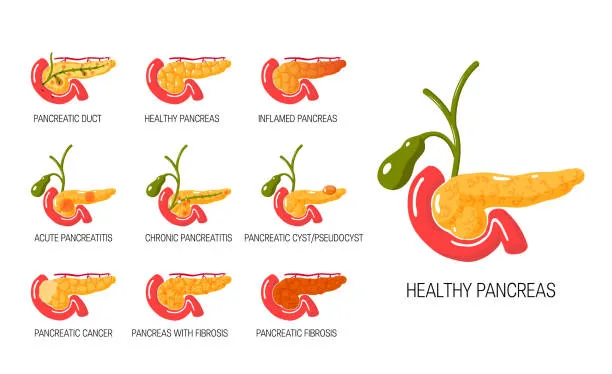
Dr. Shashank Agrawal, a competent pancreatic surgery specialist in Ghaziabad, evaluates each case carefully to determine whether surgery, monitoring, or other treatment approaches are suitable.
Understanding what you’re dealing with is step one. Get in touch with a specialist for a proper evaluation.
There’s more than one kind of pancreatic disorder, though — here’s the breakdown.
Pancreatic Conditions We Treat
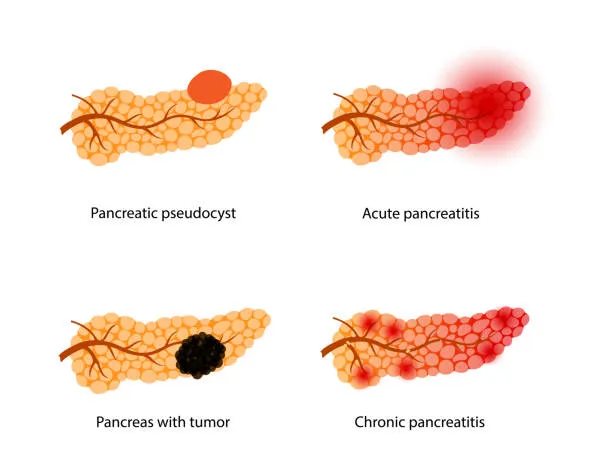
Pancreatic Tumors and Cysts
These can go either way — benign or malignant. Some cysts may only require regular monitoring, while others may need surgical removal based on their size, growth pattern, and risk factors.
Dr. Shashank Agrawal, a noted pancreatic tumor surgeon in Ghaziabad, assesses imaging reports and other diagnostic findings before deciding the most suitable treatment approach.
Read More..
It is more common in men, although women can also develop this condition.
Symptoms may include a groin bulge, heaviness, discomfort while walking, or pain during coughing, lifting, or straining. A painful or irreducible groin swelling needs urgent medical assessment.

Pancreatic Cancer & Neuroendocrine Tumors
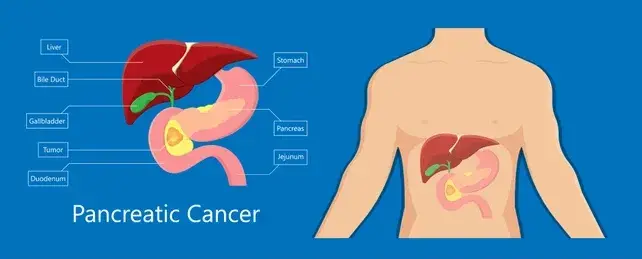
Pancreatic cancer is one of the more complex gastrointestinal cancers and often requires a combination of surgery and other treatments depending on the stage.
Neuroendocrine tumors are rarer — they come from hormone-producing cells in the pancreas, and how they’re handled depends on size, location, and behaviour.
For suitable patients, pancreatic cancer surgery in Ghaziabad may involve removing the affected part of the pancreas along with nearby tissues.
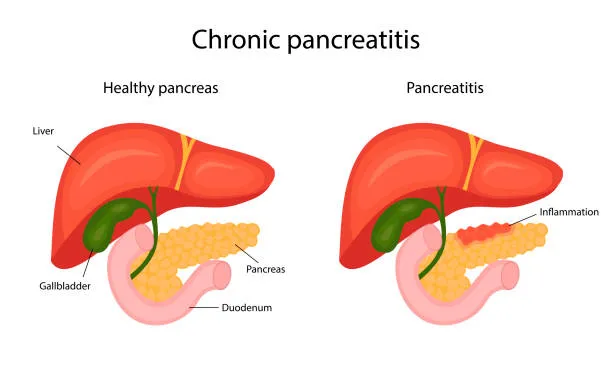
Chronic Pancreatitis & Duct/Bile Duct Disorders
Chronic pancreatitis causes long-term inflammation — pain, digestive problems, and complications.
Some patients may require surgery when symptoms cannot be controlled through medications or when complications affect quality of life.
Read More..
smoking, and conditions that increase pressure inside the abdomen. Some small hernias may be observed, while symptomatic or enlarging hernias may need planned repair.
Pancreatic issues can also overlap with bile duct problems, which is where HPB expertise matters. If gallbladder concerns are part of the picture too, it’s worth looking into Gall Bladder (Cholelithiasis) Treatment in Ghaziabad.
So how do doctors actually catch these conditions?
How Are Pancreatic Conditions Diagnosed?
Getting the diagnosis right shapes everything that follows — the type, stage, and severity of the condition all come from here.
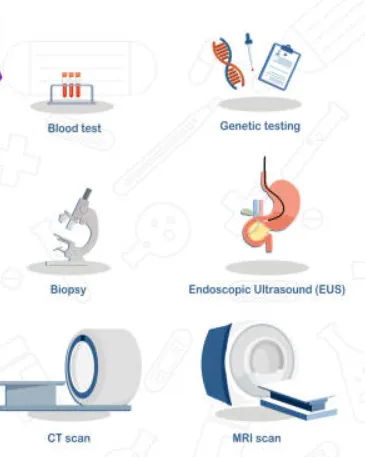
Blood Tests & Tumor Markers
A first look at pancreatic function and anything worth flagging.
Ultrasound, CT & MRI Scans
More detailed imaging to catch tumours, cysts, blockages, and structural changes.
Endoscopic Ultrasound & ERCP
A closer look at the pancreas and bile ducts, useful for both diagnosis and treatment in some cases.
Biopsy & Pathology Review
Sometimes the only way to confirm whether a growth is benign or cancerous is to look at the tissue directly.
Once the picture is clear, Dr. Shashank Agrawal, a skilled Whipple procedure surgeon in Ghaziabad, can decide whether surgery is the right call and which technique fits best.
Assuming it is — what does treatment actually look like?
Pancreatic Cancer Treatment Options
Treatment for pancreatic cancer depends on factors such as tumour location, size, stage, and the patient’s overall health. A personalised approach helps determine whether surgery, medicines, or a combination of treatments is most suitable.
Surgery
Surgery is considered the most effective treatment option for selected patients where the tumour can be safely removed. The type of surgery depends on the location of the tumour within the pancreas.
Common pancreatic surgeries:
- Whipple Procedure — Mainly for tumours in the head of the pancreas.
- Distal Pancreatectomy — Removes the tail or body of the pancreas.
- Total Pancreatectomy — Removal of the whole pancreas, in select complex cases.
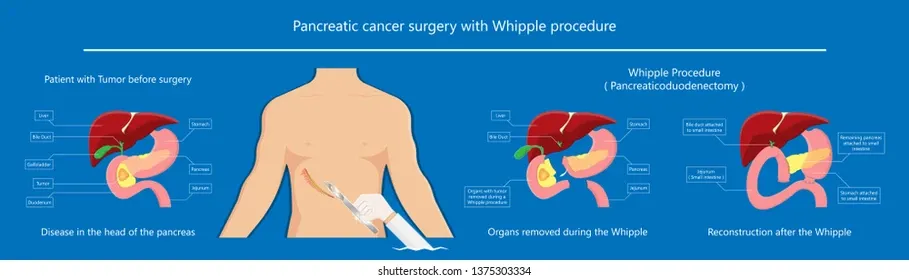
Dr. Shashank Agrawal, an esteemed pancreatic surgery specialist in Ghaziabad, evaluates tumour characteristics and overall health before recommending surgery.
Chemotherapy and Supportive Treatment
Chemo might come before surgery to shrink a tumour, or after to lower recurrence risk. In more advanced cases, it can help control the disease progression.
Supportive care, meanwhile, is about managing symptoms and nutrition and just generally keeping quality of life intact through treatment.
The right treatment plan starts with the right evaluation. Talk to a specialist about what fits your situation.
Heard about Whipple surgery and wondering when it is needed? Let’s understand the procedure, techniques, and recovery process.
The Whipple Procedure Explained
What Is Whipple Surgery, and When Is It Recommended?
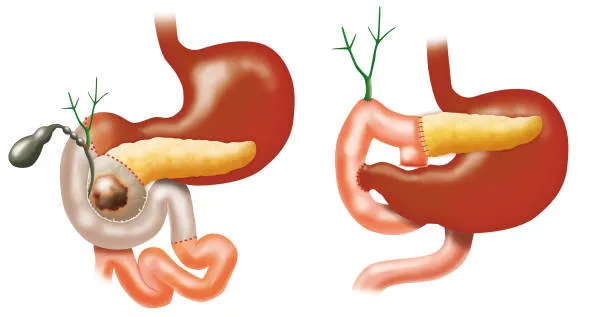
The Whipple procedure, also known as pancreaticoduodenectomy, is a complex surgery commonly performed for tumors located in the head of the pancreas.
During the procedure, the surgeon removes:
- The head of the pancreas
- Part of the small intestine
- The gallbladder
- Part of the bile duct
The remaining digestive organs are then carefully reconnected to maintain normal digestive function.
Dr. Shashank Agrawal recommends Whipple surgery in Ghaziabad only after detailed evaluation to determine whether the tumour can be safely removed.
- Open Whipple Surgery — The traditional route for more complex cases needing wider access.
- Laparoscopic Approach — Smaller cuts, which can mean a quicker recovery for the right patients.
- Robotic Approach — More precision, better visibility during the operation.
The choice of technique depends on safety, tumour complexity and surgeon expertise.

Assuming it is — what does treatment actually look like?
Risks and Recovery
This is a major operation, so risks like infection, bleeding, delayed stomach emptying or digestive changes are involved.
Recovery looks different for everyone — it depends on health and how complicated the surgery itself was. Follow-up, dietary changes and ongoing monitoring are essential afterward.
Not every pancreatic condition requires the same surgery. Let’s explore other procedures used for different pancreatic problems.
Other Pancreatic Surgeries
Distal, Central, and Total Pancreatectomy
Depending on tumour location, surgeons may remove a specific portion or the entire pancreas.
- Distal Pancreatectomy — Removes the body or tail.
- Central Pancreatectomy — Removes the middle section, keeping healthy tissue intact where possible.
- Total Pancreatectomy — Removes the whole organ, in select cases.
Surgery for Pancreatic Cysts and Tumors
Some cysts and benign tumours may need surgery — usually if they’re growing, causing symptoms, or carry a risk of turning cancerous down the line.
Surgery for Chronic Pancreatitis
For patients with severe, ongoing pancreatitis and pain that won’t let up, surgery can genuinely improve day-to-day life.
What symptoms should actually send someone in for a checkup? Let’s discuss them.
When Should You Consult a Pancreatic Surgeon?
Persistent abdominal or back pain
could be pancreatic inflammation or other concerns, but worth checking.
Jaundice
yellow eyes or skin can point to a bile duct blockage.
Unexplained weight loss
sudden drops in weight or appetite need a proper look.
Digestive problems
ongoing vomiting, indigestion, or bowel changes shouldn’t be brushed off.
New-onset diabetes
sudden blood sugar changes can, in some cases, trace back to the pancreas.
Dark urine or pale stools
often a sign something’s off with bile flow.
Our Approach to Pancreatic Treatment in Ghaziabad
Initial Consultation and Examination
Going through symptoms, history and past treatment, along with a physical exam.
Review of Reports and Imaging
CCT scans, MRI reports, and other tests reviewed carefully to understand the condition.
Diagnosis and Disease Staging
Working out how severe things are and how far they’ve spread, which shapes everything after.
Personalised Treatment Planning
A plan built specifically around tumour type, stage, and overall health.
Surgery, When Recommended
Where surgery makes sense, advanced techniques are used to remove the affected area safely.
Follow-Up and Recovery
Ongoing monitoring, dietary support, and recovery guidance post-surgery.
Cost is naturally on people’s minds too — here’s what shapes it.
Cost of Pancreatic Surgery in Ghaziabad
The cost of pancreatic care in Ghaziabad depends on quite a few things:
- Type of surgery needed
- How complex the condition is
- Diagnostic tests required
- Length of hospital stay and post-op care
- Whether additional treatment like chemo is part of the picture
Complex procedures — the Whipple procedure especially — need specialised expertise and care, and that naturally shows up in the overall cost.
A detailed consultation helps patients understand the expected expenses and available treatment options.
Looking for specialised expertise for pancreatic conditions? Let’s explore why Dr. Shashank Agrawal is trusted for advanced pancreatic and HPB care.
Why Choose Dr. Shashank Agrawal?
Specialised Surgical Gastroenterology Expertise — Advanced training in complex abdominal and gastroenterological surgery.
Expertise in Pancreatic & HPB Surgery — Hands-on experience with pancreatic tumours, cancers, cysts, and hepatopancreaticobiliary conditions.
Experience in Complex Pancreatic Surgeries — Including Whipple surgery and other pancreatic resections.
Personalised Treatment Planning — Every plan shaped around the patient’s actual diagnosis and health, not a template.
Advanced Surgical Techniques — Minimally invasive methods used wherever they genuinely support safer recovery.
Comprehensive Cancer Care Approach — Focuses on accurate diagnosis, staging, and selecting the right treatment pathway for pancreatic cancer patients.
Patient-Centred Care — Clear communication about options, procedures, and what recovery will actually look like.
Structured Follow-Up Support — Monitoring that continues well after the operating room.
Expert guidance makes hard decisions easier. Consult a specialist for care built around your situation.
Frequently Asked Questions
Does every pancreatic tumor require surgery?
No — it depends on the type, size, location and the tumour’s nature. Some just get monitored.
What is the Whipple procedure, and when is it recommended?
The Whipple procedure is a surgery used mainly for tumors located in the head of the pancreas when removal is possible.
How long does recovery after Whipple surgery take?
Varies quite a bit by patient — health and surgical complexity both play a role. Follow-up and diet management matter throughout.
How long is recovery after hernia surgery?
Varies quite a bit by patient — health and surgical complexity both play a role. Follow-up and diet management matter throughout.
Is chronic pancreatitis treated with surgery?
In severe cases where medication just isn’t cutting it, yes — surgery can help manage symptoms and complications.
What tests are needed before pancreatic surgery?
Doctors may recommend blood tests, CT scans, MRI, endoscopic ultrasound, and biopsy before planning surgery.
How much does pancreatic surgery cost in Ghaziabad?
The cost depends on the type of surgery, complexity, hospital care, and additional treatments required.
Can pancreatic cancer be detected early?
Early detection can be challenging because symptoms may appear late. Regular evaluation of concerning symptoms can help with timely diagnosis.