
Stone in pancreas treatment in Ghaziabad
Most people have never heard of pancreatic stones until they or someone close to them gets diagnosed with one. And by that point, the pain has usually been going on for a while. Months, sometimes years, quietly written off as acidity or a bad stomach.
If you have been dealing with recurring upper abdominal pain, greasy stools, or unexplained weight loss, the pancreas deserves a closer look. Dr. Shashank Agrawal is a surgical gastroenterologist in Ghaziabad who sees and treats pancreatic stone cases at Swastha Gastro Care Clinic in Indirapuram, Max Super Specialty Hospital in Patparganj, and Atlanta Mediworld Multispeciality Hospital in Ghaziabad.
What Is a Stone in the Pancreas?
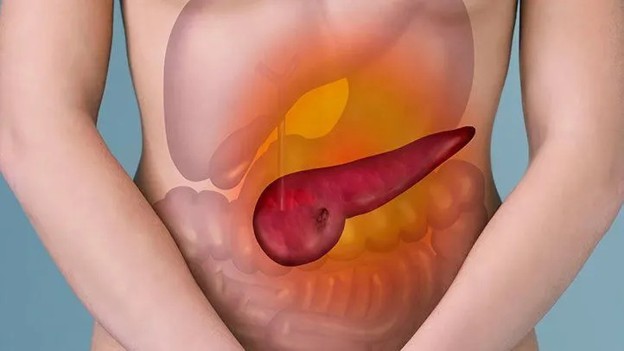
The pancreas is a gland tucked behind your stomach. Most people only know it for insulin, but it also produces enzymes that help digest fats, proteins, and carbohydrates. Both functions matter far more than we give them credit for.
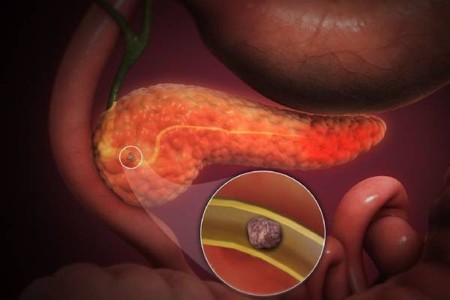
Pancreatic stones, medically called pancreatic calculi, are hardened deposits usually made of calcium that form inside the pancreatic duct or within the gland tissue itself. They are almost always seen alongside chronic pancreatitis, a condition where the pancreas has been inflamed repeatedly over time.
The real problem starts when these stones block the duct. Digestive juices cannot flow the way they should, pressure builds up inside the gland, and the result is pain that is often severe and keeps coming back. Over time, that blockage causes damage to the pancreatic tissue, and some of that damage does not reverse.
How Do Pancreatic Stones Form?
It is a gradual process. It does not happen after one bad episode. It builds over time.
When the pancreas gets inflamed repeatedly, proteins in the pancreatic juice start to stick together and form plugs. Calcium then deposits onto these plugs and over months or years they harden into stones. As the stones grow, they block the duct further, which keeps the inflammation going. It becomes a cycle that is hard to break without treatment.
Some of the common reasons this happens:
- Long-term alcohol use is one of the biggest triggers. It causes repeated bouts of pancreatitis that set this whole process in motion
- Smoking is a significant risk factor on its own and makes existing disease worse
- High calcium or triglyceride levels in the blood
- Genetic conditions affecting the pancreas, though these are less common
- Narrowing or injury to the pancreatic duct from a previous illness or procedure
In some patients, no clear cause is found even after thorough evaluation. That is classified as idiopathic chronic pancreatitis, and it is more common than most people think.
Signs and Symptoms of Pancreatic Stones You Shouldn't Ignore
The tricky part about pancreatic stones is that they can stay quiet for a long time. Some people have them for years without knowing. Then one day the pain hits and it does not really go away.
The most telling symptom is pain in the upper abdomen, usually starting after meals and often spreading toward the back. It tends to be worse after fatty food, and in many patients the episodes become more frequent and more intense over time.
Other things to watch for:
- Nausea or vomiting during pain episodes
- Stools that are pale, oily, or float, which is a sign that fat is not being digested properly
- Losing weight without trying
- Persistent bloating or a feeling of fullness after very little food
- Blood sugar going up or a new diabetes diagnosis, which can happen when the insulin producing cells in the pancreas get affected
None of these symptoms are something to push through and hope will resolve on their own. If this pattern sounds familiar, it is worth getting checked properly.
Experiencing recurring upper abdominal pain? Don’t wait it out.
How Are Pancreatic Stones Diagnosed in Ghaziabad?
Diagnosis starts with a proper conversation. Before any test, Dr. Agrawal spends time understanding the full history — when the pain started, what triggers it, what has already been tried. That context shapes everything that follows.
Imaging is central to the process. An abdominal ultrasound is usually the first step. It is accessible, quick, and can pick up obvious stones or a dilated duct. For more detail, a CT scan gives a clearer picture of the stone burden, exact location, and any structural changes in the pancreas.
MRCP, which stands for Magnetic Resonance Cholangiopancreatography, is frequently recommended alongside the CT scan. It maps the pancreatic duct in detail without any radiation and is particularly helpful when planning treatment.
Blood tests check for elevated pancreatic enzymes, blood sugar levels, and general organ function. In selected cases, an endoscopic ultrasound may be done to get a closer look at the pancreas and surrounding structures.
The goal of all this is not just to confirm the stones. It is to understand the full picture so the right treatment can be chosen.
Treatment Options for Stone in Pancreas in Ghaziabad
There is no single treatment that works for everyone. Stone size, location, degree of blockage, and how much the patient is suffering all factor into the decision. Dr. Agrawal goes through each case carefully and explains the reasoning behind whatever he recommends.
Endoscopic Treatment (ERCP) for Pancreatic Stones
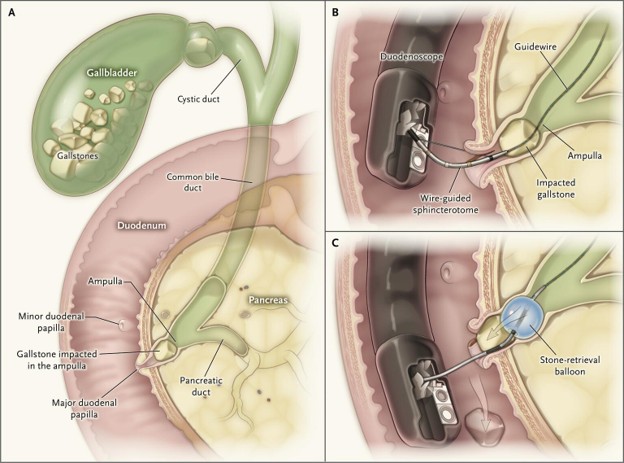
ERCP is often the starting point when stones are sitting in or near the main pancreatic duct. A thin flexible camera is passed through the mouth, down into the small intestine, and then into the duct. No cuts are needed. Smaller stones can be pulled out directly, and a stent can be placed to hold the duct open and allow proper drainage.
It is a day procedure for most patients. Recovery is quick and people are usually back to their routine within a couple of days.
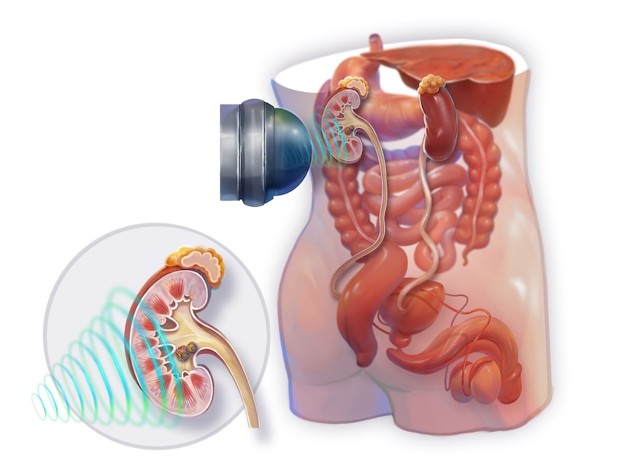
Extracorporeal Shock Wave Lithotripsy (ESWL)
Larger stones that cannot be removed endoscopically need to be broken up first. ESWL does this by directing focused shock waves at the stones from outside the body. Nothing enters the body — the waves do the work from the outside. Once the stones are fragmented, the pieces can either pass on their own or be cleared during a follow up ERCP session.
Most patients need one or two sessions. It works well for stones that are too large or too hard for ERCP alone.
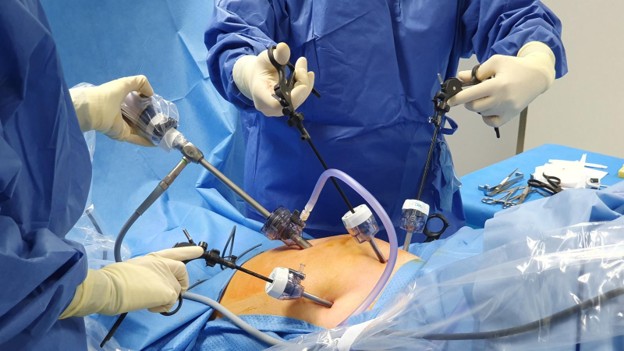
Minimally Invasive and Laparoscopic Surgery
When endoscopic approaches are not enough, usually because the duct is severely blocked or the anatomy makes access difficult, surgery becomes the better option. Dr. Agrawal performs laparoscopic procedures to open the pancreatic duct, clear the stones, and connect the duct to a loop of the small intestine so drainage is restored. This procedure is called lateral pancreaticojejunostomy.
Because it is done laparoscopically, patients experience less pain after the operation and go home sooner than they would after open surgery.

Open Surgery for Complex Cases
Some cases genuinely need open surgery. If there are major structural changes in the pancreas, if complications have already set in, or if a previous procedure has not worked, open surgery allows the most direct access and the most thorough intervention.
This is not a decision taken lightly. Dr. Agrawal discusses the reasoning clearly with every patient before moving ahead, and the conversation always includes what to expect during recovery.
Want to understand which treatment is right for you?
Why Timely Treatment of Pancreatic Stones Matters
Pancreatic stones do not stay stable. They grow, they block more of the duct, and the inflammation they cause keeps damaging the gland. Every delay gives that process more time to run.
When the pancreas loses its ability to produce digestive enzymes, the body stops absorbing fat properly. Patients start losing weight, feel constantly tired, and develop deficiencies in fat soluble vitamins. If the insulin producing cells are affected, diabetes follows. And in many cases it is a form of diabetes that is harder to manage than the usual type 2.
In more severe situations, neglected cases can lead to pseudocysts, which are fluid pockets that form around the pancreas, along with infections or internal bleeding caused by vessels being eroded by ongoing inflammation. There is also evidence that prolonged chronic pancreatitis raises the risk of pancreatic cancer over time.
None of this is meant to cause alarm. It is simply that waiting to see if things settle on their own is usually not the right approach here.
Why Choose Dr. Shashank Agrawal for Pancreatic Stone Treatment in Ghaziabad?
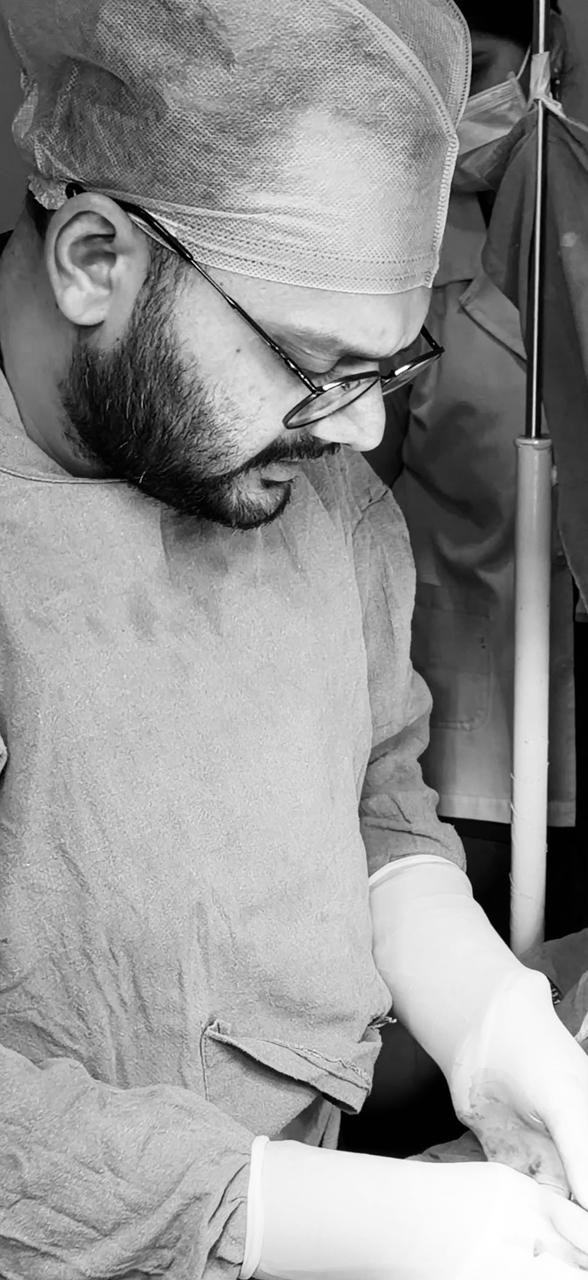
Dr. Shashank Agrawal holds an MS in General Surgery and DNB in Surgical Gastroenterology, along with dual Fellowships in Advanced Hernia and Colorectal Surgery. He has been in practice for over 10 years, managing complex GI and pancreatic conditions across Ghaziabad and the NCR region.
A few things set his practice apart:
He gives straight answers.
Patients often arrive having seen multiple doctors without ever getting a clear explanation of what is wrong. Dr. Agrawal goes through the reports in detail and makes sure patients actually understand what they are dealing with before any decision is made.
He does not jump to surgery.
The preference is always to try endoscopic or laparoscopic options first. Surgery is only considered when it genuinely offers the best outcome for that specific case.
He is available at three locations across Ghaziabad.
Healic Multispeciality Clinic in Indirapuram, Max Super Specialty Hospital in Patparganj, and Atlanta Mediworld Multispeciality Hospital in Ghaziabad all offer full diagnostic and treatment facilities. This makes it easier for patients coming from different parts of the city and surrounding areas to access care without travelling far.
He handles cases others have struggled with.
Patients referred after failed treatment elsewhere, those with complicated anatomy, or those with advanced disease are a regular part of his practice. The approach is always to look at what is possible, not just what is straightforward.
Ready to get a proper diagnosis and a clear treatment plan?
Frequently Asked Questions
Can pancreatic stones dissolve on their own?
Very rarely. Unlike kidney stones, pancreatic stones are dense calcium deposits that tend to grow over time rather than break down. Most patients with symptoms need active treatment. Waiting usually makes things worse, not better.
Is this the same as gallstones?
No, they are different conditions. Gallstones form in the gallbladder. Pancreatic stones form inside the pancreas itself. That said, gallstones can sometimes trigger pancreatitis, and repeated attacks over time can contribute to stone formation in the pancreas.
How long does recovery take?
After ERCP, most people are back to normal within a day or two. Laparoscopic surgery usually means one to two weeks of rest at home. Open surgery takes longer, typically around three to four weeks before patients feel fully comfortable again.
Will I need to change what I eat?
Yes, and it matters quite a bit. Dr. Agrawal’s team gives specific dietary advice based on each patient’s situation. Generally speaking, low fat meals, avoiding alcohol completely, and staying well hydrated form the foundation of long term management.
Can the stones come back after treatment?
They can, especially if alcohol use or smoking continues. Treatment addresses the stones, but the underlying condition needs to be managed through lifestyle changes and regular follow up to reduce the chance of recurrence.
Is surgery always needed?
Not at all. Many patients are treated entirely through ERCP or ESWL without any surgery. Surgery is reserved for cases where less invasive options have not worked or where the duct anatomy does not allow for endoscopic access.
Where does Dr. Shashank Agrawal see patients in Ghaziabad?
He currently consults at three locations. Healic Multispeciality Clinic in Indirapuram, Max Super Specialty Hospital in Patparganj, and Atlanta Mediworld Multispeciality Hospital in Ghaziabad. Appointments can be booked online through the website or via WhatsApp.