
Stomach Cancer Management in Ghaziabad
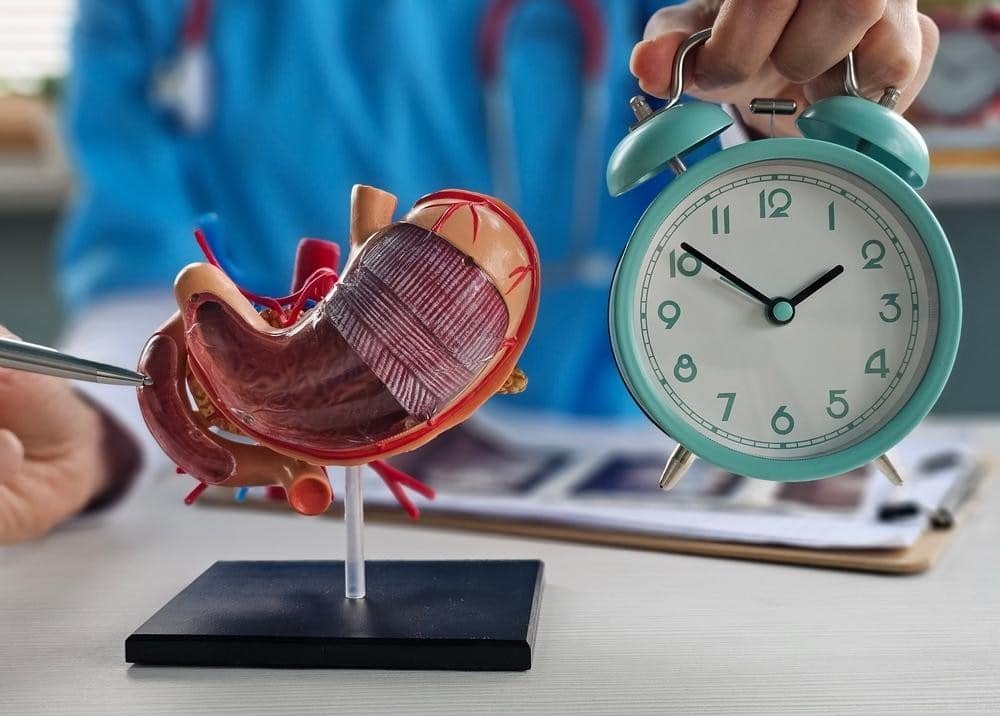
A stomach cancer requires immediate diagnosis and treatment by experts in both the medical aspects of ICC and ICC patient needs. Dr. Shashank Agrawal, an experienced Gastroenterologist in Ghaziabad, brings to patients an all-inclusive approach to stomach cancer treatment, integrating excellent surgical expertise with effective treatment practices. Because of his expertise in gastrointestinal oncology, laparoscopy, and robotic surgery, patients today have the opportunity to benefit from these advancements without traveling long distances for medical treatment in Ghaziabad.
Stomach cancer treatment requires identification of its type and stage, consideration of all available options, and subsequent planning regarding treatment accordingly. Our treatment methods are always oriented toward maximum possible success, reduced complications, and early recovery.
What Treatment Options Are Available for You?
Ghaziabad-based top GI and General Surgeon, Dr. Shashank Agrawal, offers his patients tailored treatments for stomach cancer depending on the stage, type, and overall health condition of a patient to effectively manage cancer and promote a speedy recovery.
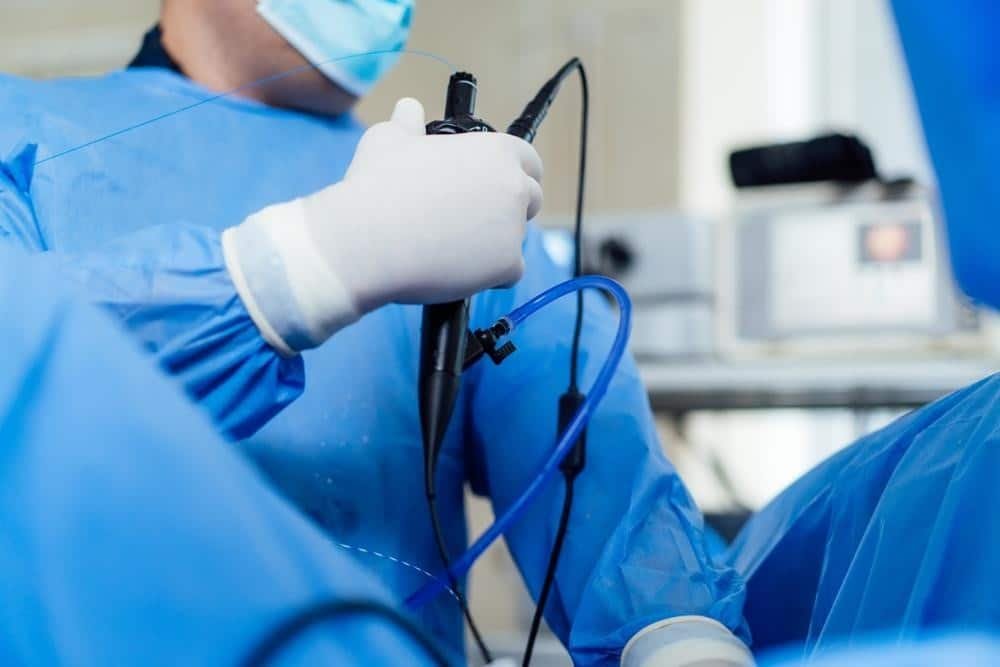
Endoscopic Evaluation and Early Intervention
For early-stage gastric or stomach cancers, state-of-the-art endoscopy is employed for a proper diagnosis. Additionally, in selected cases, minimally invasive endoscopic procedures may be employed for the early stages of the disease.
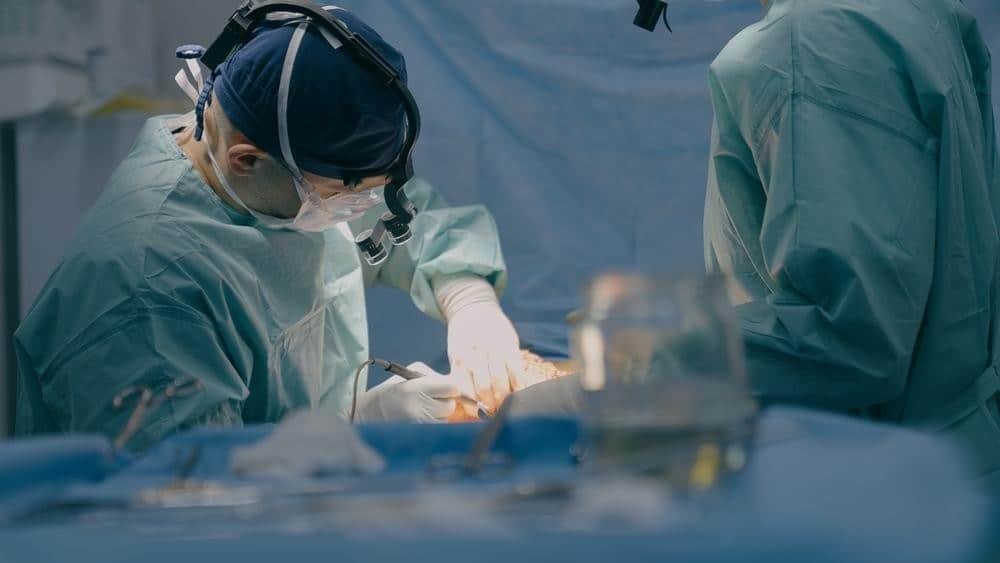
Stomach Cancer Surgery
Surgery is currently considered a major treatment and is generally used for most cases involving stomach cancer. In rare cases, depending on the site and development of the tumor, partial or total removal of the stomach may be necessary. In most cases, laparoscopic surgery is used for treating stomach cancer.
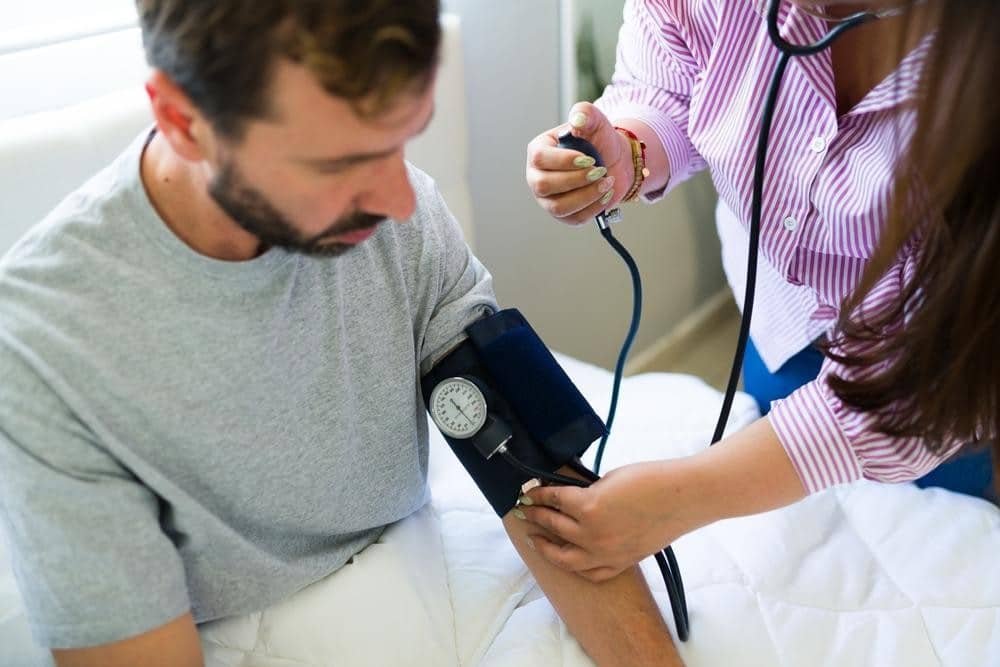
Post-Treatment Care and Monitoring
Then, patients undergo structured follow-up care, advice on nutrition, and constant surveillance to aid in recovery and enable early detection of any relapses.urgery to reduce the size of the tumour or after surgery to prevent a possible return of cancer.
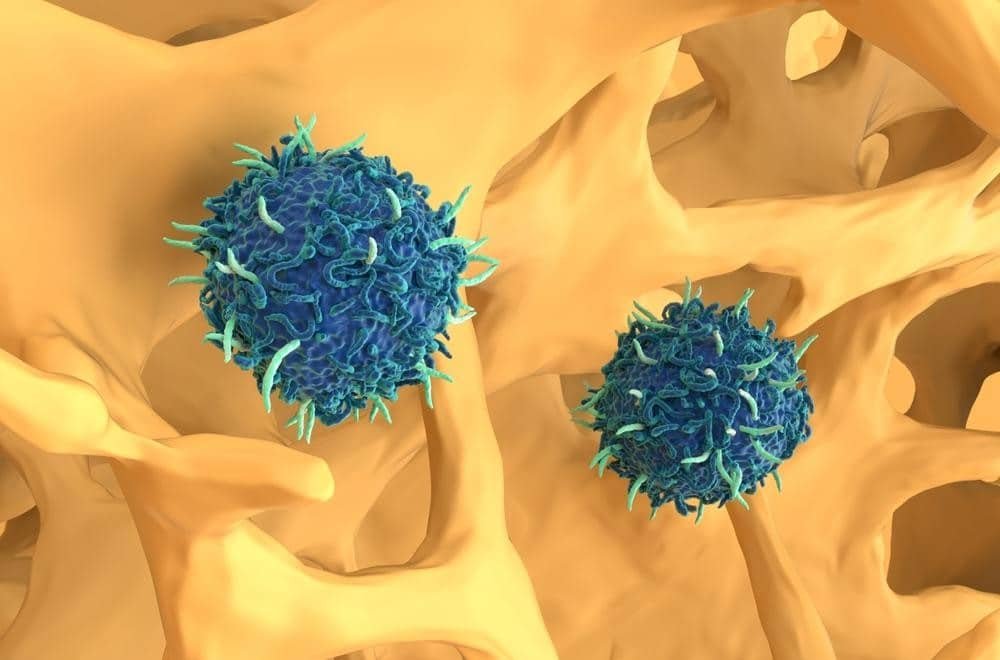
Targeted Therapy & Immunotherapy
In some instances, targeted therapy and/or immunotherapy will be recommended based on certain tumor markers. The goal of this therapy is to help target and destroy cancer cells while protecting normal tissue.
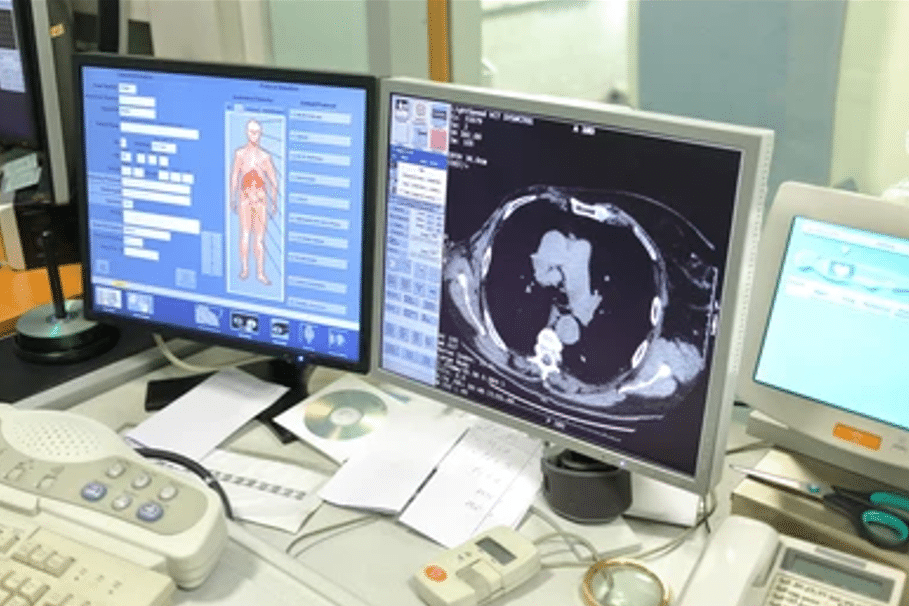
Multidisciplinary Cancer Care
The plan of care for patients with this condition is offered through a multidisciplinary approach with surgical gastroenterologists, medical oncologists, radiologists, and pathologists.
Stomach Cancer Treatment by Chemotherapy
Cancer treatment by means of chemotherapy can be conducted before surgery to reduce the size of the tumour or after surgery to prevent a possible return of cancer.
Not sure which stomach cancer treatment is right for you? Speak with an experienced GI surgeon in Ghaziabad for a personalised treatment plan.
What Are The Different Types of Stomach Cancer
Dr. Shashank Agrawal, an experienced gastro-intestinal and general surgeon in Ghaziabad, treats stomach cancer, which depends upon the type of cancer cells, as different cells have different behaviors. Recognizing different types of stomach cancers or gastric cancers aids in making informed decisions about their treatment.
Gastric Adenocarcinoma
This is also known as adenocarcinoma and is a common form of stomach or gastric cancer. This type of cancer begins in the mucus-producing cells lining the stomach. This type of growth is often slow but can be metastatic if diagnosed late.
Gastric Lymphoma
The type of cancer that develops due to the cells of the immune system that are found in the stomach is known as gastric lymphoma. It can be treated with a combination of chemotherapy, radiation, or surgery, depending on its stage, which contrasts with other stomach cancers.
Gastrointestinal Stromal Tumor (GIST)
GIST is a rare type of stomach cancer that begins in the supportive tissue of the stomach wall. Very often, this condition may require specialized surgery and, at times, precision medicines based on the nature of this cancer.
Neuroendocrine Tumors of the Stomach
These cancers arise from the cells that secrete some hormones in the stomach. They often grow very slowly, but in advanced stages, they can be very aggressive.
Rare and Mixed Types of Stomach Cancer
In some cases of stomach cancer, a mixture of several cell types may also exist. In most situations, a precise diagnosis and a team approach are required to formulate an effective management plan for stomach cancer.
Our Approach to Stomach Cancer Management in Ghaziabad
We utilize modern diagnostic tools, in addition to personalized treatment regimens for every patient. Our approach combines expertise in surgical aspects with comprehensive care throughout.

First Consultation and Diagnosis
We begin with a comprehensive medical history and physical examination. We have your symptoms, risk factors, and overall health profile with us through the medical history and physical examination. Diagnosis is done through upper GI endoscopy and biopsy, which is followed by contrast-enhanced CT scans of the chest, abdomen, and pelvis, which determine the extent of the disease spread. Occasionally, we require PET CT scans for better staging of the disease. Blood tests involve the evaluation of tumour markers and your nutritional status.

Treatment Plan
We create care plans using information about the stage, location, type, and overall health. Our experts take all possible options into consideration. In stage one cancers, surgeries are predominantly the first. However, in stage two, our doctor might prescribe pre-operative chemotherapies to decrease sizes. We always have reasons for choosing particular options for you. We ensure your condition is nutritionally adequate for surgery. In other cases, we advise you to change your diet or take nutritional supplements or feed through IV. Good nutrition practices help in reducing complications arising from surgeries.
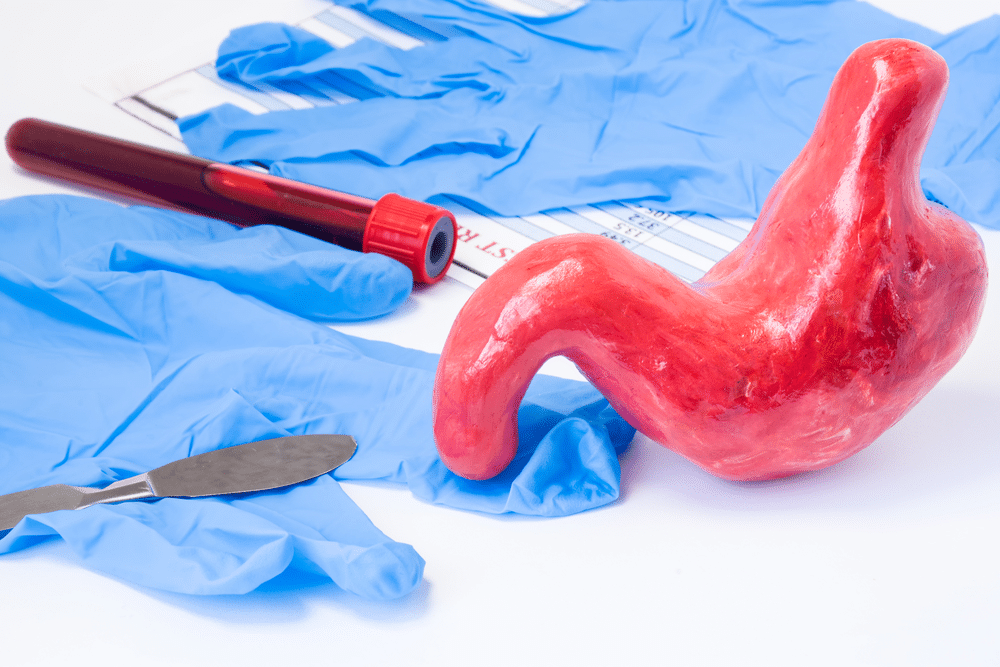
Surgical Intervention
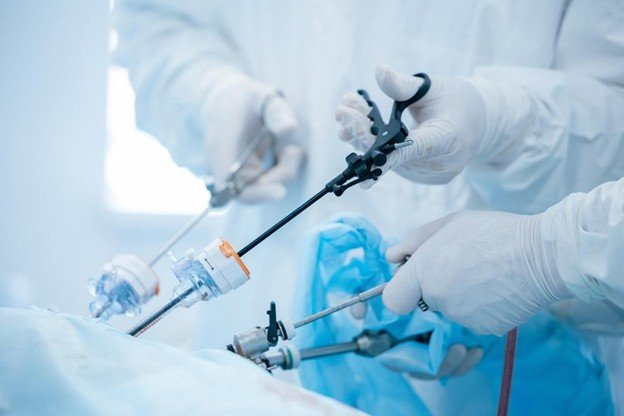
We base our choice of surgical procedure on the tumour’s location and the extent of its spread. Subtotal gastrectomy removes part of the stomach, while total gastrectomy is used for more extensive diseases. Our main goal is to completely remove the tumour with clear margins and perform a systematic lymph node dissection. Whenever possible, we employ minimally invasive laparoscopic and robotic techniques to minimize pain and accelerate recovery. After removing the tumour, we reconstruct the digestive tract using segments of intestine, choosing the method that best fits the extent of surgery and your needs.
Post-operative Care and Recovery
We closely monitor patients in the immediate postoperative period to identify and treat complications early. We encourage patients to get out of bed within 24 hours of their operation to minimize risks such as pneumonia or blood clots. Nutrition is initially provided through IV fluids, followed by liquids and soft foods as your body adjusts. We educate you on ways to take small meals more frequently, easing digestion. Pain is managed through a combination of medications in an effort to maintain comfort while minimizing side effects. Before discharge, clear instructions are provided, and follow-up appointments are scheduled.

Ongoing Monitoring
We have follow-up visits to monitor your progress and look for any signs of a recurrence. These include physical exams, blood work, and scans done at regular intervals. If you are having chemo following your surgery, we definitely pay extra close attention to the toleration of your chemo treatments. We collaborate with medical oncologists to ensure that everything proceeds satisfactorily. Follow-up care will continue for five years. Visits are less frequent. We are available for any questions that come up along the way.
What Is the Cost of Stomach Cancer Treatment in Ghaziabad?
Key Factors Affecting Treatment Cost:
- Stage and location of the cancer
- Type of treatment needed (surgery, chemotherapy, radiotherapy)
- Length of hospital stay
- Surgeon’s fees and skill level
- Choice of hospital
- Post-op care needs
The typical cost of treating stomach cancer may comprise charges for the surgeon, hospital, anaesthesia, and general medical expenses, with surgery as the primary form of treatment and additional therapies added based on individual needs. In Ghaziabad, stomach cancer management costs generally range from ₹3,00,000 to ₹8,00,000 in private hospitals, depending on the stage of cancer and the type of surgery performed, while government hospitals may offer treatment at a significantly lower cost. Expenses can increase if a longer hospital stay, complications, chemotherapy, or specialised treatments are required. The final treatment cost varies from patient to patient based on their condition, age, and overall health, making a personalised consultation essential for an accurate estimate.
What is the success rate for stomach cancer treatment in Ghaziabad?

The success rate of stomach cancer treatment varies widely and depends on early detection, cancer stage, treatment approach, and patient-specific factors. With advances in diagnosis and surgical techniques, outcomes in Ghaziabad now closely match those seen in major metro cities.
What Our Patients Say (Testimonials)
Average Success Rates by Stage
- Stage I (Early-stage stomach cancer):
Success and 5-year survival rates range between 65–75% when treated with timely surgery and proper follow-up. - Stage II stomach cancer:
Survival rates are approximately 30–50%, often requiring a combination of surgery and chemotherapy. - Stage III stomach cancer:
Outcomes range between 15–30%, depending on lymph node involvement and response to chemotherapy. - Stage IV (Advanced stomach cancer):
While cure rates are low (5–15%), modern treatments help control disease, reduce symptoms, and extend survival.
Key Factors That Influence Treatment Success
- Stage at Diagnosis
The stage at which stomach cancer is diagnosed plays a major role in treatment success. Early-stage stomach cancer responds significantly better to surgery and combined therapies, leading to higher survival rates and improved long-term outcomes. - Type of Stomach Cancer
Different stomach cancer types, such as gastric adenocarcinoma, GIST, gastric lymphoma, and neuroendocrine tumors, behave differently. Each type requires a specific treatment approach, which directly impacts success rates and recovery. - Surgical Expertise
Successful stomach cancer treatment depends heavily on expert surgical removal of the tumour with clear margins. Advanced laparoscopic and precision-based surgery helps reduce complications and improve long-term survival. - Use of Chemotherapy or Targeted Therapy
In moderate to advanced stomach cancer stages, chemotherapy, targeted therapy, or immunotherapy are often combined with surgery. These treatments help shrink tumours, reduce recurrence risk, and improve overall survival. - Patient’s Age and Overall Health
A patient’s age, nutritional status, and general health influence how well they tolerate treatment. Better physical condition supports faster recovery, fewer complications, and improved treatment outcomes. - Post-Treatment Follow-Up
Regular follow-up after stomach cancer treatment is essential for early detection of recurrence and long-term disease control. Ongoing monitoring, scans, and blood tests play a key role in maintaining positive outcomes.
Looking for expert stomach cancer care in Ghaziabad? Book a consultation with Dr. Shashank Agrawal for advanced, patient-focused treatment.
Frequently Asked Questions
What are the early signs of stomach cancer?
Early signs may include persistent indigestion, bloating, loss of appetite, unexplained weight loss, and mild stomach discomfort, which should not be ignored if they continue.
Does stomach cancer affect people of all ages?
Stomach cancer can occur at any age, but it is more commonly diagnosed in people over 50, especially those with long-term gastric problems or risk factors.
How effective is surgery for stomach cancer?
Surgery is the most effective treatment for stomach cancer when diagnosed early and is often combined with chemotherapy to improve long-term outcomes.
What is the recovery time after stomach cancer surgery?
Recovery typically takes a few weeks to a few months, depending on the type of surgery performed and the patient’s overall health.
What are the chances of survival after stomach cancer treatment?
Survival rates depend on the stage at diagnosis, with early-stage stomach cancer having significantly better outcomes compared to advanced stages.
Disclaimer: The information shared in this content is for educational purposes and not for promotional use.