
Appendicitis Treatment in Ghaziabad

Appendicitis is an inflammation of the appendix, a small pouch attached to the large intestine. It is a common medical emergency that typically causes sharp pain in the lower right side of the abdomen, accompanied by fever, nausea, and vomiting. If left untreated, appendicitis can lead to a burst appendix, causing severe complications like peritonitis (infection of the abdominal cavity). Early diagnosis and timely treatment are crucial to prevent life-threatening conditions.
Dr. Shashank Agrawal, a leading gastroenterologist in Ghaziabad, Uttar Pradesh, emphasizes,
“Appendicitis needs prompt attention. Timely intervention ensures better outcomes, often avoiding the severe complications that arise from delayed treatment.”
Dr. Agrawal specializes in appendicitis treatment in Ghaziabad, offering both medical and surgical solutions. With his extensive expertise in gastrointestinal care, he uses minimally invasive techniques to treat appendicitis, ensuring quick recovery and minimal scarring. His patient-centric approach ensures that each treatment plan is tailored to individual needs for the best possible outcome.
Wondering what type of appendicitis you might have? Let’s explore each type in more detail to understand the available treatment options.
Understanding the Different Types of Appendicitis

Appendicitis can present in different forms depending on its severity and how long the appendix has been inflamed:
Acute Appendicitis
Acute appendicitis is the most common form and presents suddenly, causing sharp pain in the lower right abdomen. It needs immediate medical attention and surgical intervention to remove the appendix.
Chronic Appendicitis
Perforated Appendicitis
Suppurative Appendicitis
Worried about how appendicitis treatment works? Let’s break down the treatment options and what you can expect from each.
What Treatment Options Are Available for You?
The main treatment for appendicitis is surgery, but the specific approach can vary depending on the patient’s condition and the severity of the appendicitis. Here are the primary options:

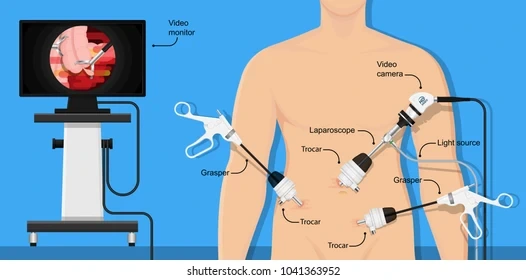
Laparoscopic Appendectomy: A minimally invasive surgery where small incisions are made, and a camera is inserted to remove the appendix. It’s preferred for its shorter recovery time and smaller scars.
Antibiotics: In some cases, antibiotics may be used to treat early-stage appendicitis or to stabilize a patient before surgery, especially if surgery needs to be delayed for medical reasons.
Open Appendectomy: This is a traditional surgery where a larger incision is made to remove the appendix. It may be necessary in cases of complicated appendicitis, such as a ruptured appendix.
Drainage of Abscess: If an abscess forms due to a ruptured appendix, it may need to be drained surgically. Afterward, surgery to remove the appendix is often performed once the infection is controlled.
Curious about your treatment options? Reach out to a specialist to choose the right approach for you.
Our Approach to Appendicitis Treatment in Ghaziabad
Dr. Shashank Agrawal, a distinguished GI surgeon in Ghaziabad, provides comprehensive management of appendicitis by offering every patient the best possible treatment. Here’s what you can expect:
Initial Consultation & Diagnosis
Your journey will begin with a consultation, during which Dr. Agrawal reviews your symptoms and medical history. Appendicitis is usually confirmed through diagnostic tests that include ultrasound or CT scans.
Individualized Treatment Plan
A personalized treatment plan is developed based on the diagnosis, with recommendations for either laparoscopic or open surgery, whichever is more suitable, or neither if antibiotic treatment will be enough.
Surgical Treatment
If surgery is required, Dr. Agrawal will perform a laparoscopic appendectomy or open appendectomy depending on the severity of the appendicitis and will make every attempt to make the procedure as minimally invasive as possible.
Post-Operative Care
After surgery, you will have detailed instructions on postoperative self-care, medication for managing pain, diet, and physical activity. Follow-up appointments will be scheduled to check your recovery.

Concerned about the cost of treatment? Let’s discuss the factors that influence the price of the treatment.
What is the Cost of Appendicitis Treatment in Ghaziabad?
The cost of appendicitis care in Ghaziabad can vary based on the type of treatment, the severity of the appendicitis, the doctor’s experience, and the healthcare facility. Generally, laparoscopic appendectomy is more affordable than open surgery due to its minimally invasive nature and shorter recovery time. The overall cost can also depend on factors like diagnostic tests, hospital stay, and post-surgery care.
Dr. Shashank Agrawal, an eminent gastroenterologist and GI surgeon in Ghaziabad, has transparent pricing policies, and for any procedure, he first gives an explanation of the costs involved. Some of the expenses might be covered by insurance if it is medically warranted.
How soon will you start feeling better after surgery? Let’s go through the expected timeline for recovery and the results.
Success Rates and Results
The success rate concerning appendicitis surgery, and especially laparoscopic appendectomy, is excellent. Early intervention means the majority of patients recover with no complications. With Dr. Shashank Agrawal, a renowned appendicitis doctor in Ghaziabad, taking the minimally invasive approach, there is less pain, fewer risks, and a quicker return to daily activities.
Most of the patients can go home within 1-2 days following surgery, while complete recovery usually takes about 1-2 weeks. Dr. Agrawal makes sure that the recovery is as smooth and fast as possible; follow-up care is done to ensure that healing is properly monitored.

Thinking about the outcomes? Connect with an expert to discuss expected results.
What Our Patients Say


Frequently Asked Questions
How is appendicitis diagnosed?
Diagnosis typically involves physical examination, blood tests, and imaging like ultrasound or CT scans.
Is appendicitis surgery always necessary?
Yes, surgery is generally recommended as the appendix must be removed to prevent complications, such as a ruptured appendix.
How long is the recovery after appendectomy?
Recovery usually takes 1–2 weeks for laparoscopic surgery, with most patients returning to normal activities within 5-7 days.
Can appendicitis be treated without surgery?
In some cases of early-stage or mild appendicitis, antibiotics may be used to manage symptoms. However, surgery is often necessary.
Is laparoscopic surgery better than open surgery?
Laparoscopic surgery is generally preferred due to its minimally invasive nature, resulting in quicker recovery, less pain, and smaller scars.
Disclaimer: The information shared in this content is for educational purposes and not for promotional use.